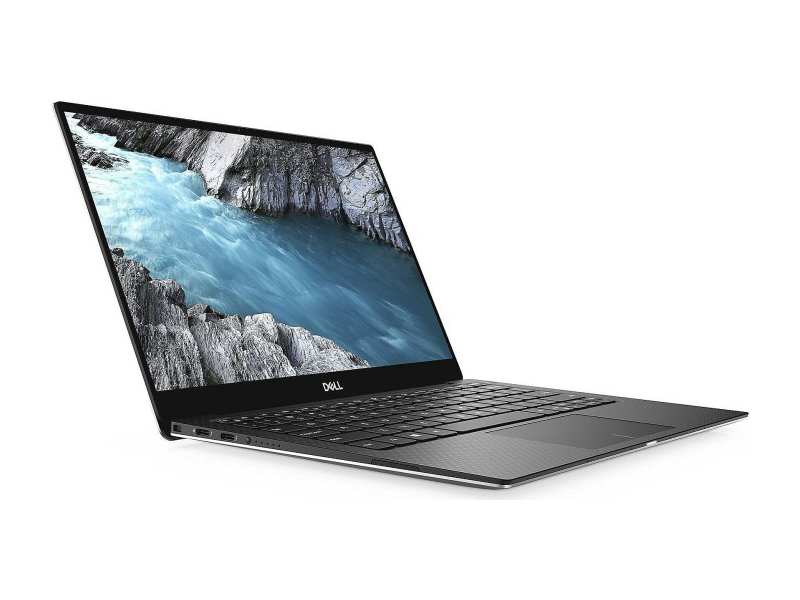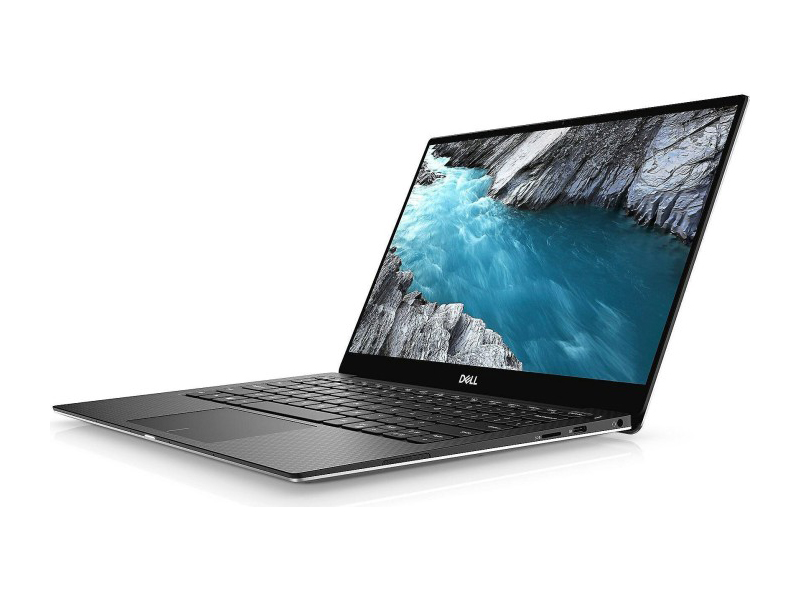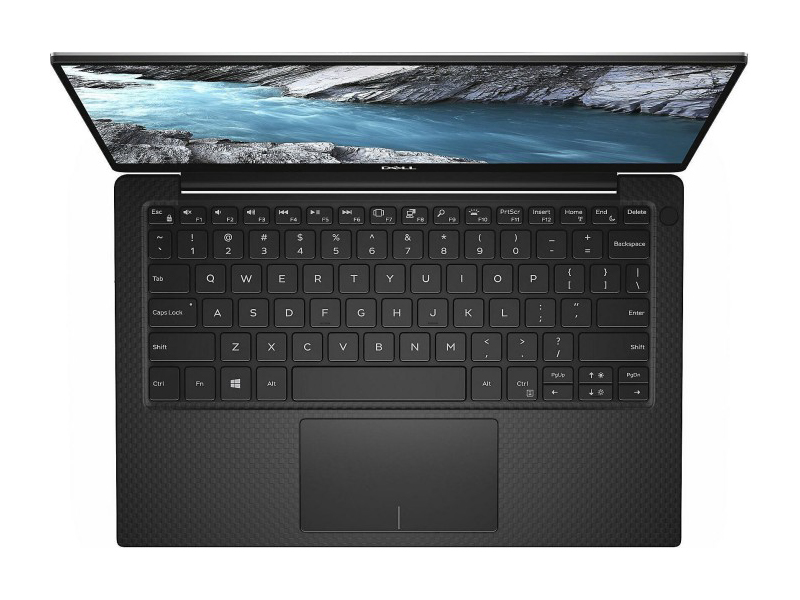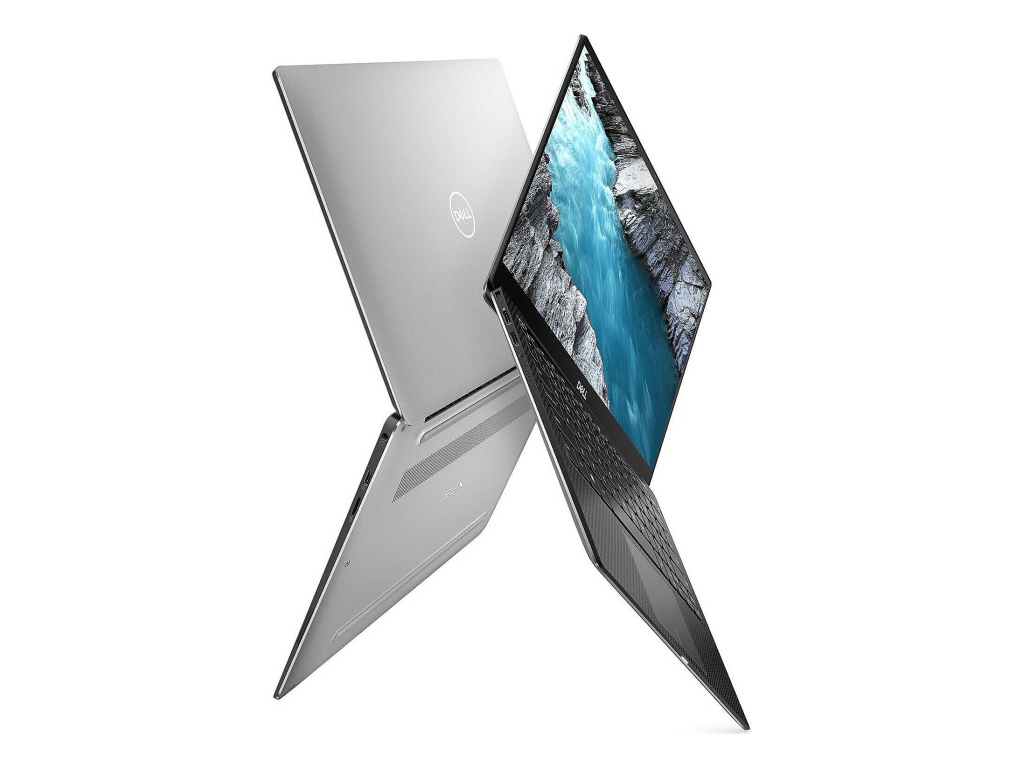




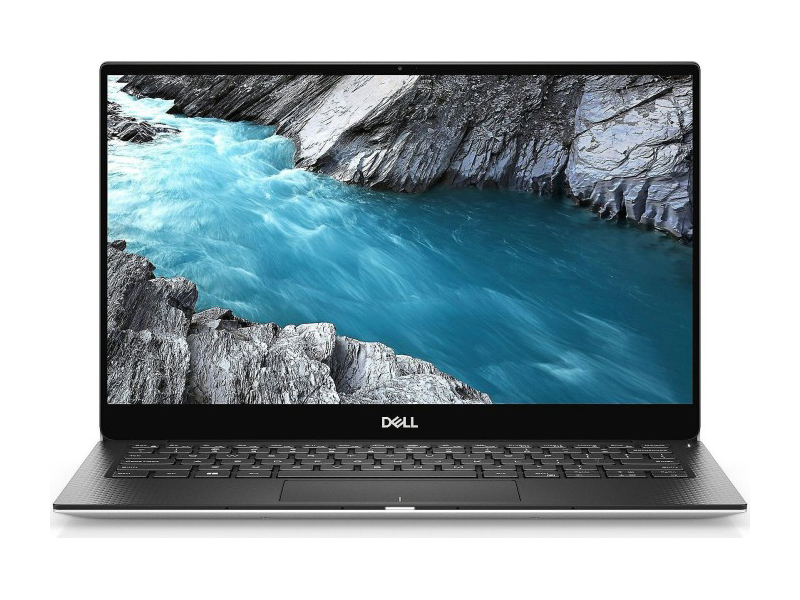
Dell XPS 13 7390 Core i7-10510U
Especificaciones de Portátil(es)
Price comparison
Promedio de 3 puntuaciones (de 6 análisis)
Análisis para el Dell XPS 13 7390 Core i7-10510U
Origen: Yahoo
 EN→ES Archive.org version
Look, I got my own mother an XPS 13 three years ago, and it’s still going strong, just as it should. With the improved design, updated performance, and beautiful display, the latest XPS 13 builds on the pedigree that Dell has cultivated over the past few years, making a system that is easily one of the best on the market.
Único Análisis, disponible online, corto, Fecha: 04/21/2020
Origen: It Pro
EN→ES Archive.org versionThe XPS 13 7390 excels in all the usual areas including display, performance and, of course, its design. That said, we cannot recommend purchasing this particular model. In particular, its entire reason for being lies with the inclusion of a 10th-gen Intel CPU, but it’s barely an improvement of the 8th-gen chip fitted into the early 2019 edition. While the late 2019 Dell XPS is excellent in its own right, users are better off either grabbing its predecessor, or better yet, holding out for the 2020 XPS 13 - which promises key design changes in addition to more impressive hardware.
Único Análisis, disponible online, largo, Fecha: 01/24/2020
Puntuación: Puntuación total: 80%
Origen: Laptop Media
EN→ES Archive.org versionAs always, the XPS 13 7390 is an amazing laptop to have. Not only it is one of the most portable notebooks on the market, but it also provides performance beyond the expectations of a ULV processor. As we saw in the temperature segment of this review, the laptop was actually able to maintain 2.70 GHz of sustained clock speed – a feat that is still hard for some gaming notebooks on the market.
Único Análisis, disponible online, Muy largo, Fecha: 12/04/2019
Origen: Smart World
 IT→ES Archive.org version
Único Análisis, disponible online, largo, Fecha: 12/04/2019
Puntuación: Puntuación total: 87% precio: 75% características: 85% pantalla: 80% movilidad: 90% procesamiento: 90% ergonomía: 85%
Origen: 01Net
 FR→ES Archive.org version
Único Análisis, disponible online, largo, Fecha: 12/25/2019
Puntuación: Puntuación total: 66% rendimiento: 70% movilidad: 50%
Origen: Zing
 VN→ES Archive.org version
Único Análisis, disponible online, Mediano, Fecha: 12/19/2019
Comentario
Intel UHD Graphics 620:
GPU (GT2, 24 EUs) integrada encontrada en algunos modelos de CPU Kaby-Lake-Refresh (15 W, serie ULV). Técnicamente igual a la anterior GPU Kaby-Lake llamada HD Graphics 620.
Estas tarjetas también deben ser capaces de aguantar todos los juegos actuales, pero la mayoría de ellos en configuraciones de detalles medios y bajos y con bajas resoluciones. Juegos más antiguos, o menos exigentes todavía pueden ser jugados con buena calidad de gráficos.
>> Más información puede ser encontrada en nuestra comparación de tarjetas gráficas moviles y la lista de benchmarks.
i7-10510U:
Procesador de cuatro núcleos de baja potencia basado en Comet Lake (técnicamente idéntico a Whiskey Lake y aún producido en 14nm++). Los núcleos de CPU pueden registrar entre 1,8 y 4,9 GHz (los 4 núcleos 4,3 GHz máx.) con HyperThreading (8 threads). El controlador de memoria integrado es compatible con DDR4-2666 y con el uso de cTDP arriba/abajo, el OEM puede ajustar el rendimiento (10-25 Watts posible, 15W por defecto).
>> Más información puede ser encontrada en nuestra comparación de procesadores móviles.
 Add as a preferred source on Google