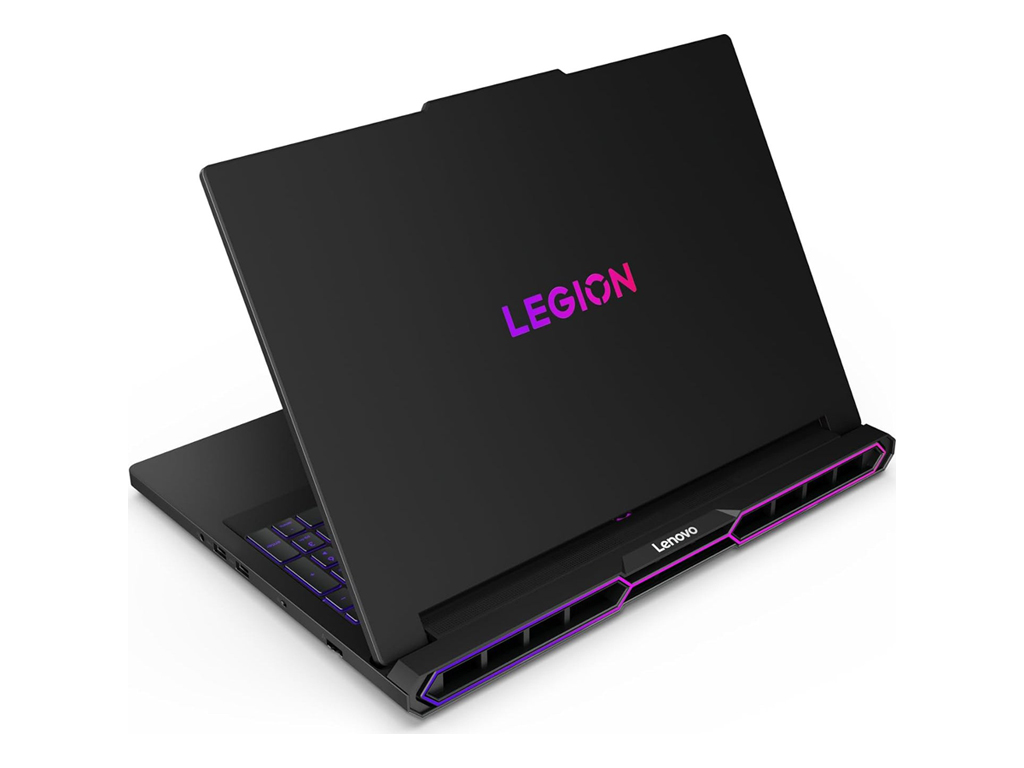




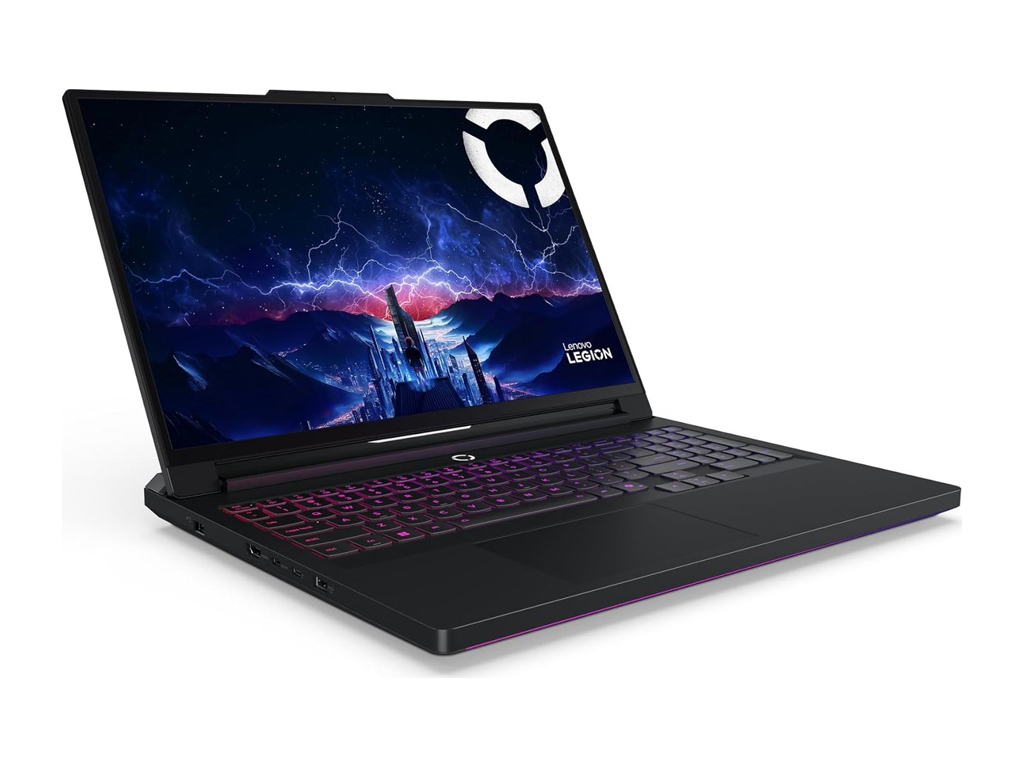
Lenovo Legion Pro 7 16IAX10H, RTX 5090
Especificaciones de Portátil(es)
Price comparison
Promedio de 1 puntuaciones (de 4 análisis)
Análisis para el Lenovo Legion Pro 7 16IAX10H, RTX 5090
Origen: Hardware Canucks

The Legion Pro 7i sports a brand new design for 2025 which significantly evolves the look and performance of what has been one of the best gaming laptops of the last few years. So have these changes been for the better? To understand things better, we went back through Legion 7i laptops from the last 5 years to see where we now are with gaming framerates, battery life, build quality and more.
Único Análisis, disponible online, Muy largo, Fecha: 09/03/2025
Origen: Ultrabook Review
EN→ESAll in all, I’m excited about this generation of the Legion Pro 7i. Pairing the new chassis with an OLED display and the latest hardware specs and what’s hopefully a properly cooled design is a potential recipe for bringing back the laurels that the Legion 7 Pro series earned 3-4 years ago in the premium segment of performance and gaming notebooks.
Único Análisis, disponible online, corto, Fecha: 04/17/2025
Origen: ITC UA
 RU→ES
RU→ESÚnico Análisis, disponible online, Muy largo, Fecha: 09/08/2025
Puntuación: Puntuación total: 91% precio: 90% rendimiento: 90% pantalla: 90% movilidad: 90% procesamiento: 95% ergonomía: 95%
Origen: Jagat Review
 ID→ES
ID→ESÚnico Análisis, disponible online, largo, Fecha: 06/30/2025
Comentario
NVIDIA GeForce RTX 5090 Laptop: La GeForce RTX 5090 Portátil utiliza el chip GB203 y emplea 10.496 sombreadores / núcleos CUDA del máximo de 10.752 que tiene el chip. Esto hace que la RTX 5090 Portátil sea más similar a la variante RTX 5080 de sobremesa (mismo chip) que la RTX 5090 de sobremesa con 20.760 núcleos y mayor velocidad de reloj.
Estas tarjetas de video deben ser capaces de aguantar juegos modernos (con algunas excepciones) con altas resoluciones y altos detalles.
>> Más información puede ser encontrada en nuestra comparación de tarjetas gráficas moviles y la lista de benchmarks.
Ultra 9 275HX: CPU móvil de gama alta para portátiles de juegos basada en la arquitectura Arrow Lake. Ofrece 24 núcleos que constan de 8 núcleos de rendimiento rápido con una velocidad de reloj de hasta 5,4 GHz y 16 núcleos de menor eficiencia con una velocidad de reloj de hasta 4,6 GHz. La CPU puede acceder a 40 MB de caché L2 y 36 MB de caché L3 y está especificada con un TDP de 55 vatios. El SoC integra una pequeña NPU dedicada denominada AI Boost con 13 TOPS (Int8) y soporta opcionalmente vPro Essentials.
>> Más información puede ser encontrada en nuestra comparación de procesadores móviles.
 Add as a preferred source on Google