

Notebookcheck Logo

Xiaomi Poco X8 Power - Análisis y specs
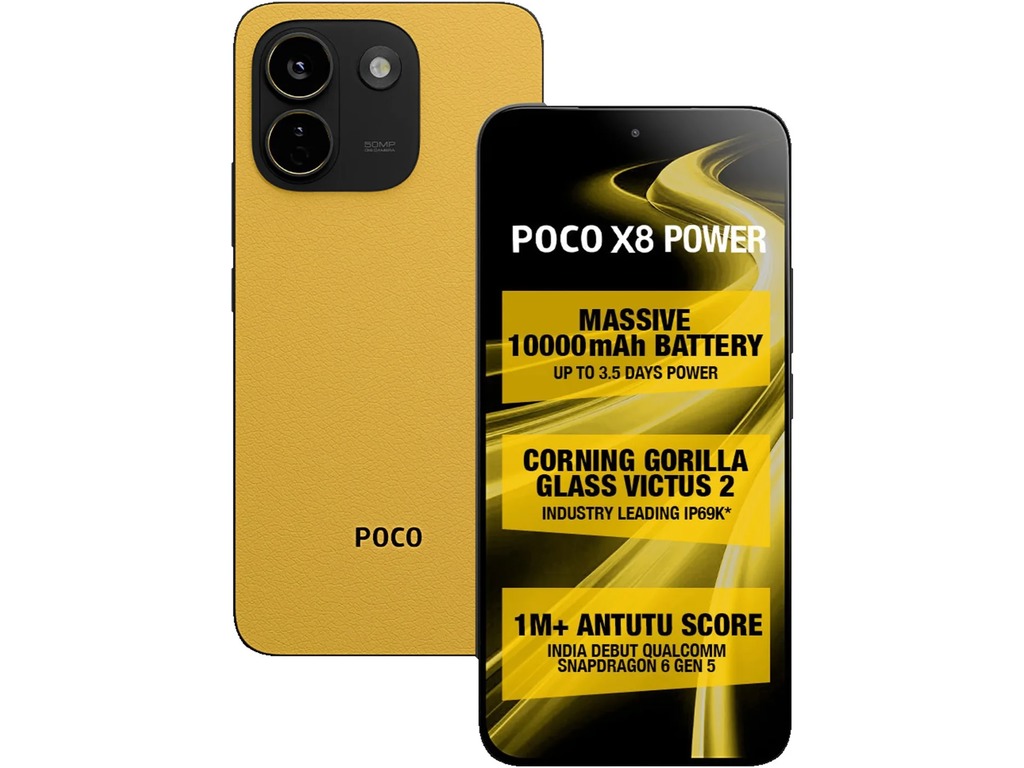
Xiaomi Poco X8 Power
Ésta es una lista de análises y otras informaciones sobre el modelo Xiaomi Poco X8 Power de la serie Poco X8.

Especificaciones de Portátil(es)

Xiaomi Poco X8 Power (Poco X8 Serie)
Procesador
Qualcomm Snapdragon 6 Gen 5 8c/8t, 4 x 2.6 GHz ARM Cortex-A78, 4 x 2.0 GHz ARM Cortex-A55, Cortex-A78 / A55
Adaptador gráfico
Memoría
8 GB 
pantalla
6.83 pulgadas 19.5:9, 2772 x 1280 pixels 447 PPI, Capacitive touchscreen, AMOLED, lustroso: si, 120 Hz
Disco duro
256GB
Conexiones
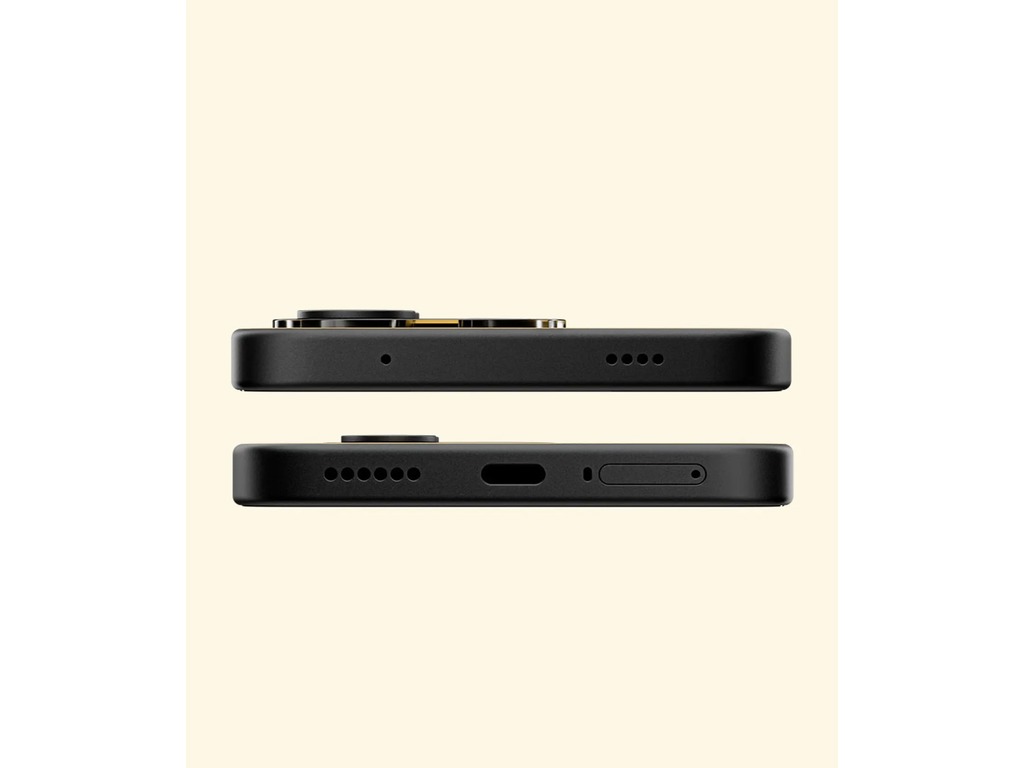
USB-C Power Delivery (PD), 1 Infrared, 1 Lector de Huellas Digitales, Sensores: accelerometer, gyro, compass, proximity
Equipamento de red
802.11 a/b/g/n/ac/ax (a/b/g/n = Wi-Fi 4/ac = Wi-Fi 5/ax = Wi-Fi 6/), Bluetooth 6.0, GSM, UMTS, LTE, 5G, Dual SIM, GPS
Tamaño
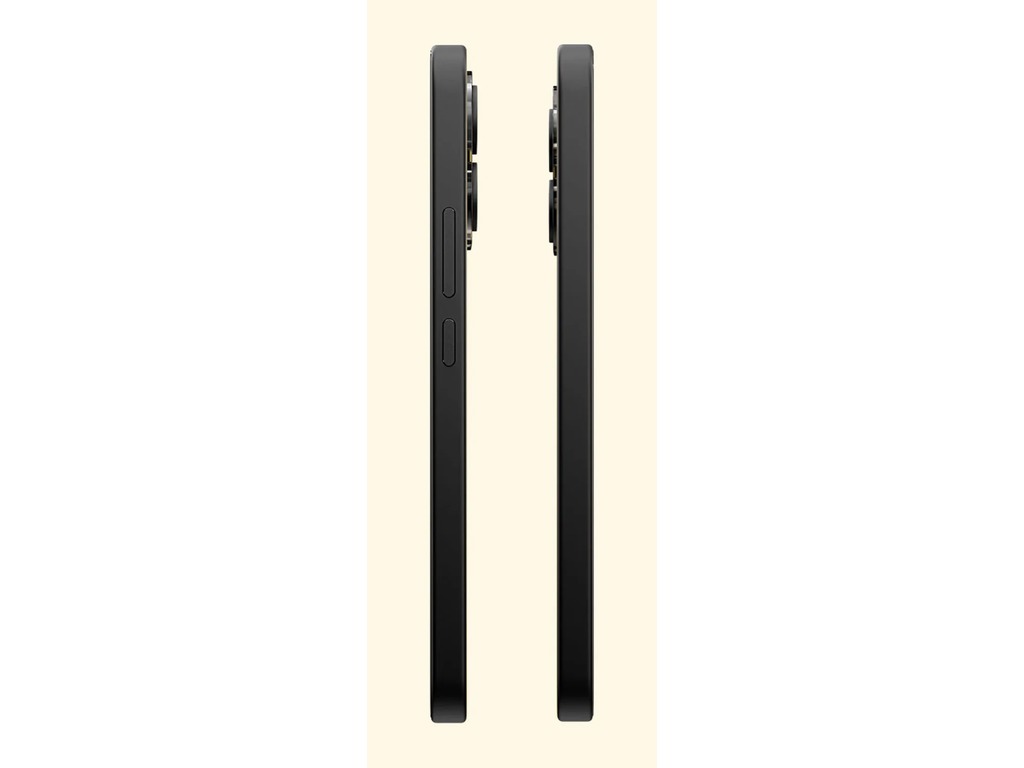
Alto x ancho x profundidad (en mm): 8.6 x 163.4 x 78.3
Battería
10000 mAh Litio-Ion
Sistema Operativo
Android 16
Cámara
Cámara principal: 50 MPix (f/1.5, 26mm) + 8MP (f/2.2, 15mm)
Cámara secundaria: 32 MPix (f/2.2)
Características adicionales
Teclado: Virtual keyboard
Peso
229 g


Price comparison

Puntuación Media: 81.33% - bien
Promedio de 3 puntuaciones (de 5 análisis)
precio: - %, rendimiento: 83%, características: - %, pantalla: 84% movilidad: 93%, procesamiento: 89%, ergonomía: - %, emisiones: - %

Análisis para el Xiaomi Poco X8 Power

82% POCO X8 Power Review: 10000mAh Battery, Budget Phone Killer?
Origen: Exhibit.tech Inglés EN→ES
I went in expecting the 10,000mAh battery to be the only thing worth writing about. It wasn't. Two to three days of real-world use on a single charge is the number that still surprised me the most, but the X8 Power also gave me a Snapdragon 6 Gen 5 chipset that ran BGMI at max settings without breaking a sweat, a 120Hz AMOLED display backed by stereo speakers that were perfect for streaming video and games, and a leather-back build with durability ratings that make the extra weight a fair trade. It's not without rough edges.
Único Análisis, disponible online, corto, Fecha: 09/23/2026
Puntuación: Puntuación total: 82% rendimiento: 85% pantalla: 80% movilidad: 100% procesamiento: 90%
4 reasons to buy the POCO X8 Power and 3 reasons not to
Origen: 91mobiles Inglés EN→ES
The POCO X8 Power is a phone that does a lot of things well while putting battery life front and centre. The 10,000mAh battery is easily its biggest selling point, but you also get a very good AMOLED display, reliable everyday performance, and a durable build. POCO hasn’t sacrificed the rest of the phone’s aspects just to fit in a bigger battery.
Único Análisis, disponible online, Muy corto, Fecha: 09/22/2026
82% POCO X8 Power review: more than just a 10,000mAh battery
Origen: 91mobiles Inglés EN→ES
The POCO X8 Power retails at Rs 35,999 for the 8GB + 128GB and Rs 38,999 for the 8GB + 256GB variant. For its price, this is a phone that puts battery life front and centre, and it delivers exactly where it matters. The 10,000mAh cell comfortably gets me through two days of use, while the 100W charging means you don’t have to wait too long when it finally needs a top-up.
Único Análisis, disponible online, largo, Fecha: 09/16/2026
Puntuación: Puntuación total: 82% rendimiento: 80% pantalla: 87% movilidad: 85% procesamiento: 87%
80% Poco X8 Power review: Good looks and monster battery in one package
Origen: India Today Inglés EN→ES
So now that we have discussed everything about the Poco X8 Power, where does the device stand in the ever-changing smartphone market? The X8 Power gets a lot of things right. The battery life is the highlight and the display feels immersive. The device does have some quirks.
Único Análisis, disponible online, corto, Fecha: 09/07/2026
Puntuación: Puntuación total: 80%
Đánh giá POCO X8 Power: Pin 10.000 mAh, màn hình AMOLED 3.500 nit, chip Snapdragon 6 Gen 5
Origen: FPT shop VN→ES
Único Análisis, disponible online, corto, Fecha: 09/18/2026

Comentario

Qualcomm Adreno 812: Chip gráfico para smartphones y tabletas, integrado en el SoC Qualcomm Snapdragon 6 Gen 5. Según Qualcomm, es un 40 % más rápido que la generación anterior (Adreno 710). Según Qualcomm, la GPU es hasta un 20 % más rápida que su predecesora, la Adreno 810. 

Algunos juegos actuales no fastidiosos pueden ser jugados fluidamente con pequeños detalles.


>> Más información puede ser encontrada en nuestra comparación de tarjetas gráficas moviles y la lista de benchmarks.


SD 6 Gen 5: El Qualcomm Snapdragon 6 Gen 5 (SM6850) es un SoC basado en ARMv8. La unidad de CPU consta de dos clústeres: estos están formados por cuatro núcleos de alto rendimiento (Cortex A78, hasta 2,6 GHz) y cuatro núcleos de bajo consumo (Cortex A55, hasta 2,0 GHz). Como memoria RAM se puede utilizar LPDDR4x (hasta 2.133 MHz) o LPDDR5 (hasta 3.200 MHz). El procesamiento gráfico corre a cargo del Adreno 812 integrado.
>> Más información puede ser encontrada en nuestra comparación de procesadores móviles.


Portátiles similares con las mismas especificaciones

Portátiles similares de otros fabricantes

Portátiles con el Mismo Tamaño de Pantalla y Peso

Xiaomi Poco M8x: análisis y especificaciones
Adreno 629, Snapdragon 4 SD 4 Gen 5, 6.90", 0.232 kg
Xiaomi Poco F9 Pro: análisis y especificaciones
Adreno 840 V Series, Snapdragon 8 SD 8 Elite Gen 5 V Series, 6.59", 0.206 kg
Xiaomi Poco F9 Ultra - Análisis y especificaciones
Adreno 840, Snapdragon 8 SD 8 Elite Gen 5, 6.90", 0.235 kg
Xiaomi Redmi 17 4G - Análisis y especificaciones
Mali-G52 MP2, unknown, 6.90", 0.232 kg
Xiaomi Poco M8 Power: análisis y especificaciones
Adreno 613, Snapdragon 4 SD 4 Gen 4, 6.99", 0.225 kg
Xiaomi Redmi K100 Pro Max: análisis y especificaciones
Adreno 840, Snapdragon 8 SD 8 Elite Gen 5, 6.90", 0.238 kg
Xiaomi Redmi K100 Pro - Análisis y specs
Adreno 840, Snapdragon 8 SD 8 Elite Gen 5, 6.59", 0.218 kg
Xiaomi Redmi 17 5G: análisis y especificaciones
Adreno 629, Snapdragon 4 SD 4 Gen 5, 6.90", 0.232 kg
Xiaomi Poco M8s - Análisis y specs
Adreno 619, Snapdragon 6 SD 6s Gen 3, 6.90", 0.217 kg
Xiaomi Redmi A7 - Análisis y specs
Mali-G57 MP1, T7250 (T615), 6.88", 0.193 kg
Xiaomi Redmi 17C: análisis y especificaciones
Mali-G52 MP2, Mediatek Helio G Helio G81 Ultra, 6.88", 0.206 kg
Xiaomi Redmi K90 Ultra: análisis y especificaciones
Adreno 830, Snapdragon 8 SD 8 Elite, 6.83", 0.227 kg
Xiaomi Redmi Turbo 5 Max - Análisis y specs
Immortalis-G925 MC11, Dimensity 9000 Dimensity 9500s, 6.83", 0.219 kg
Xiaomi Redmi A3x - Análisis y specs
GE8322 / IMG8322, unknown, 6.71", 0.193 kg
Xiaomi Redmi Note 17 Pro 5G: análisis y especificaciones
Adreno 710, Snapdragon 6 SD 6s Gen 4, 6.83", 0.223 kg
Xiaomi Redmi Note 17 5G: análisis y especificaciones
Adreno 613, Snapdragon 4 SD 4 Gen 4, 6.99", 0.225 kg
Xiaomi Redmi Note 17: análisis y especificaciones
Adreno 610, Snapdragon SD 6s 4G Gen 2, 6.99", 0.224 kg
Xiaomi 18 Fold: análisis y especificaciones
ARM Mali G2-Ultra NX MP16, Xring Xiaomi Xring O3, 7.58", 0.219 kg
Xiaomi Redmi A7 Pro
Mali-G57 MP1, T7250 (T615), 6.90", 0.208 kg
Xiaomi Redmi K90 Max
Mali-G1 Ultra MC12, Dimensity 9000 Dimensity 9500, 6.83", 0.227 kg
Xiaomi Poco C85x
Mali-G57 MP2, T8300, 6.90", 0.21 kg

Portátiles del mismo fabricante

Xiaomi RedmiBook Pro 14 2026
Arc B390 Panther Lake iGPU, Panther Lake Ultra X7 358H, 14.00", 1.48 kg
Xiaomi Redmi Pad 2 9.7
Adreno 610, Snapdragon SD 6s 4G Gen 2, 9.70", 0.406 kg
Google LogoAdd as a preferred source on Google
Mail Logo
DeepL / Ninh Duy (Update: 2026-09-30)