




Google Pixel 10a
Pro
Contra
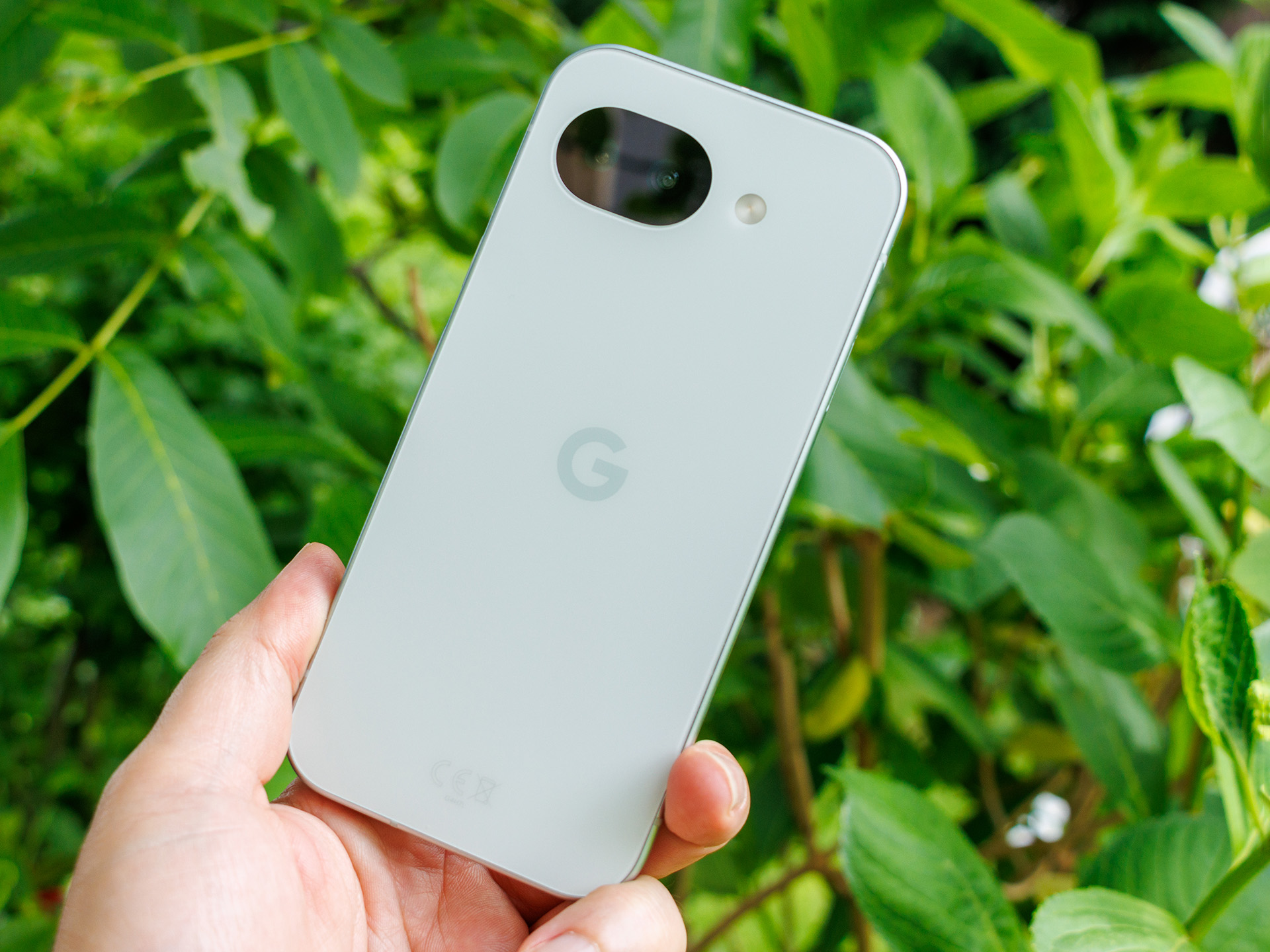
El Google Pixel 10a se posiciona como un teléfono de gama media alta Android con un precio de 499 $, y las reseñas lo describen ampliamente como una pequeña actualización del Pixel 9a más que como una gran mejora. Mantiene el Tensor G4, 8 GB de RAM y el mismo enfoque central de la cámara, pero lo combina con una pantalla OLED de 6,3 pulgadas a 120 Hz y una gran batería de 5100 mAh. Los críticos elogian constantemente el rendimiento fluido del teléfono, el potente procesamiento de imágenes de sus cámaras traseras duales y su resistencia durante todo el día. El software sigue siendo un punto de venta clave, con Android 16, funciones Gemini y la promesa de siete años de soporte. Los principales inconvenientes son la falta de cambios en el hardware y omisiones como la compatibilidad magnética Qi2 y Wi-Fi 7, que hacen que el dispositivo parezca "aburrido" o redundante. Como resultado, muchos puntos de venta lo recomiendan para los propietarios de teléfonos más antiguos, pero sugieren a los cazadores de gangas que consideren el Pixel 9a más barato mientras aún esté disponible.
Especificaciones de Portátil(es)
Cámara secundaria: 13 MPix (f/2.2)
Price comparison
Promedio de 80 puntuaciones (de 162 análisis)
Análisis para el Google Pixel 10a
El Google Pixel 10a promete una oferta completa que combina hardware moderno, inteligencia artificial avanzada y la calidad de cámara por la que Google es conocido. Pero, ¿son suficientes las mejoras técnicas para destacar frente a la fuerte competencia en el segmento de gama media? ¿Y está a la altura de sus altos estándares?
Origen: Xataka

Hablar mal de un Google Pixel es complicado, son móviles que dan mucho para lo que cuestan. En especial el Pixel 10a, su precio va en sintonía con lo contenido del diseño. Quizá no de partida, pero sí a lo largo del año: con las rebajas sucesivas seguro que nuestro protagonista se vuelve bien goloso. Es mi recomendación, esperar a alguna oferta. Entonces será imbatible. Quizá no pueda decir muchas cosas malas, el problema es que sí creo que es negativa su falta de mejora. En esencia, el Pixel 10a es casi idéntico al Pixel 9a. Incluso el Tensor G4 es de hace casi dos años. Que aún se mantiene en pie, pero se nota que no está a la altura de muchos otros contrincantes de su precio. No lo estaba ni en 2024. Por el precio, es una de las mejores cámaras móviles que se pueden comprar hoy en día.
Único Análisis, disponible online, Muy largo, Fecha: 03/05/2026
Puntuación: Puntuación total: 80% rendimiento: 73% pantalla: 80% movilidad: 80% procesamiento: 75%
Origen: Hipertextual
El Pixel 10a es, lo que me gusta llamar, un móvil redondo. Es, de hecho, de lo mejor de este año. Tiene un diseño muy distintivo y cuidado, y en mi opinión es mucho más bonito y llamativo que otros smartphones de gama media de marcas como Xiaomi y OnePlus: es elegante, pero a la vez es divertido, y es compacto, que es lo que siempre busco en un móvil. También tiene un buen rendimiento, una autonomía más que decente y una pantalla que no deja indiferente a nadie. Todo ello, además, con una cámara sobresaliente. Igual no tan versátil como otras, pero sí perfecta para el día a día. Su precio, 549 euros para la versión de 128 GB o 649 para la variante de 256 GB, también está acorde a sus características: es difícil encontrar un rival que ofrezca tan buenos resultados fotográficos. Mención especial al software y a las funciones de IA: Android 16 le sienta de maravilla, la integración con Gemini es fantástica y los añadidos en la cámara son muy bienvenidos.¿El pero? Es, prácticamente, el mismo móvil que el del año pasado. Muy bueno, sí, pero lo mismo. En mi opinión, no compensa comprarse este modelo por encima del Pixel 9a para ganar una cámara trasera completamente plano, una pantalla algo más brillante y una mejor carga.
Único Análisis, disponible online, corto, Fecha: 03/04/2026
Puntuación: Puntuación total: 90%
Origen: Computerhoy
El Pixel 10a es el mejor rival del iPhone 17 base. Aunque repite chip, su rendimiento y diseño compacto y sin cámara que sobresale le convierte en una de las opciones más interesantes por debajo de los 600 euros, ya que más que gama media, es un gama alta barato.
Único Análisis, disponible online, Mediano, Fecha: 03/04/2026
Puntuación: Puntuación total: 82%
Análises en otras idiomas
Origen: GSM Arena

Google's mid-range rivalry heats up as the new Pixel 10a goes head-to-head with its predecessor, the Pixel 9a. While the two devices share a lot of specs, the Pixel 10a pulls ahead in a few unexpected departments.
Comparación, disponible online, corto, Fecha: 06/09/2026
Origen: Digit.in
EN→ESThe Google Pixel 10a is a phone that rewards the patient buyer. It does not have the fastest chip in its class and it will not win benchmark comparisons against rivals running more recent Snapdragon silicon. The 30 W charging is restrained by 2026 standards. The bezels are thicker than what competitors offer. The polycarbonate back is a material compromise at that price. However, the display is accurately calibrated and bright enough for strong outdoor performance. The camera system is one of the most consistent and natural in its segment, with a low-light processing advantage that rivals at this price consistently fail to replicate. Pixel UI on Android 16 is the cleanest, most uncluttered Android experience available, with AI features that are practically useful rather than decorative. And the seven-year update commitment is a meaningful difference in what buying this phone actually means over the course of ownership. For buyers who need faster hardware or optical zoom reach, better-suited alternatives exist at or near this price. But for buyers who want a camera that holds up across every condition, a software experience that stays out of their way and a phone that remains relevant and fully supported well into the next decade, the Pixel 10a makes its case plainly. It is not the most dramatic choice in its class. It is, by most everyday measures, one of the best.
Único Análisis, disponible online, corto, Fecha: 06/02/2026
Puntuación: Puntuación total: 67% rendimiento: 56% pantalla: 83% movilidad: 75%
Origen: BGR
EN→ESThe Pixel 10a is still a great budget Android phone. The camera is solid and the software experience is excellent. But it's hard to look past just how little has actually changed from the Pixel 9a. With the same chip and same camera hardware, the 10a feels more like a refinement than a proper new generation. It's an interesting comparison to look at what Apple did with the iPhone 17e versus the iPhone 16e. Apple's iterative update got the basics right, like upgraded silicon and the addition of MagSafe, which was missing on the iPhone 16e. Google didn't do either of those things. It didn't even update the chip. That doesn't make the Pixel 10a a bad phone, but it does make it a boring one, and a somewhat confusing proposition if you're trying to decide between it and the phone it replaced.
Único Análisis, disponible online, corto, Fecha: 04/24/2026
Origen: Tech2.in.com
EN→ESThe Google Pixel 10a is priced at Rs 49,999 in India for the 8 GB RAM and 256 GB storage variant and is covered by a one year warranty. Now going back to the very first line of the review - did Google really need to launch the Pixel 10a? Yes, but not like this. What is the point in launching the same phone again after a year, and when that phone very much exists and sells for 10K less? I would have loved to be a fly on the wall to understand the logic when the great minds in the company approved this. If the brand wanted to use a generation-old SoC on the Pixel ‘a’ phones going ahead, they could have waited another year and used the Tensor G5 on the Pixel 11a in 2027 while the rest of Pixel 11 lineup got the G6. Google should have simply skipped the Pixel 10a and so should you while the Pixel 9a continues to sell for less than 40K or till the price of the 10a drops to that level.
Único Análisis, disponible online, corto, Fecha: 04/14/2026
Puntuación: Puntuación total: 70%
Origen: Techlusive
EN→ESThe Pixel 10a follows the same approach as previous models. It focuses on clean software, strong cameras, and long term support. These are its main strengths. At the same time, there are some clear limitations. The performance has not improved, the display has thicker bezels, and charging speed is slow. The design also has small usability concerns like the flat back making it harder to pick up. Another important factor is pricing. The Pixel 10a is priced close to premium devices. However, the Pixel 9a still offers similar performance and experience at a lower price. For users who want a clean Android experience with good cameras and long updates, the Pixel 10a is still a solid choice. But for those looking for better hardware value, other options or even the previous model may be a better decision.
Único Análisis, disponible online, corto, Fecha: 04/12/2026
Puntuación: Puntuación total: 80% precio: 80% rendimiento: 70% pantalla: 80% movilidad: 80% procesamiento: 80%
Origen: 9to5google
Único Análisis, disponible online, Muy largo, Fecha: 04/07/2026
Origen: 9to5google
The Pixel 10a has been out for a month… and yeah, at first glance it looks like just the Pixel 9a again. But after using it daily, there’s a bit more going on here than you might expect. In this review, I break down what the Pixel 10a gets right (and wrong), from the design and display to performance, battery life, and of course—that classic Pixel camera.
Único Análisis, disponible online, Muy corto, Fecha: 04/06/2026
Origen: Android Headlines
EN→ESGoogle tends to do a good job with its Pixel phones. Even though they are never really the top of the heap when it comes to performance, or even popularity in general, they’re always pretty solid phones. The Pixel 10a is really no different, providing a good user experience at a reasonable price for some solid value. That being said, even if I do think this is the best $500 phone available, it’s hard to recommend in certain situations. For example, right at this very moment, the Pixel 10 is on sale for $599. Yes this is $100 more than the Pixel 10a, but the price is close enough, and it’s a better phone all around, that it’s worth the extra money. So, in the event that the Pixel 10 is full price, or more than $599, I think the Pixel 10a is the better buy. It’s still a good phone, but it’s a tougher sell when there are other better options that are close in price.
Único Análisis, disponible online, Mediano, Fecha: 03/30/2026
Puntuación: Puntuación total: 80%
Origen: Patrick Rambles
This is my one month later review of the Pixel 10A. It's a good phone at a good price, but the Pixel 10A is a bit of a strange one for me and it's been difficult to pinpoint who this phone is for... I think I've figured it out!
Único Análisis, disponible online, largo, Fecha: 03/30/2026
Origen: The Times of India
EN→ESGoogle Pixel 10a is built on the tried and tested formula that has worked well. Pixel 10a is not a big upgrade, and it doesn’t try to be one either. Instead, it focuses on refining an already solid formula — and in many ways, that works in its favour. We liked the clean design, the flat back that improves usability, and a display that gets the job done once you tweak a few settings. The cameras remain one of the strongest points of the new Pixel phone, delivering consistent and natural-looking photos in most situations. Battery life is reliable, and the promise of seven years of updates adds long-term value. So, should you buy it? If you’re using an older Pixel (older than Pixel 9a) or coming from a different brand, the Pixel 10a still makes a lot of sense — especially if you value clean software and a dependable camera.
Único Análisis, disponible online, corto, Fecha: 03/29/2026
Puntuación: Puntuación total: 80%
Origen: Tech Advisor
EN→ESThe short answer here is almost certainly no. While the Pixel 10a is a perfectly good mid-range phone when looked at under a microscope, as soon as you zoom out and take other things into consideration, it becomes more and more unjustifiable. There are certainly reasons to choose rivals from Samsung, Nothing, Apple, Xiaomi and others and reasons to get the 10a over them, too.However, if you’re looking for a Pixel, you might as well get the 9a if you want value, or keep your eye out for deals on the flagship Pixel 10 which, as we’ve already seen, might not be much more expensive than the 10a. Incremental doesn’t really cut it here and this gets chalked up as a confusing launch from Google. The ‘This is fine’ title of the review, referencing the famous meme, was for a good reason.
Único Análisis, disponible online, largo, Fecha: 03/27/2026
Puntuación: Puntuación total: 80%
Origen: Pokde
EN→ESThe Google Pixel 10a is a modest update that doesn’t break new ground, but it remains as a solid midrange phone that you can buy. Its excellent camera performance for its class, long battery life, clean Android experience, and lengthy update support make it a reliable choice at RM2,299 for the 128GB model (RM2,799 for 256GB). If you already own a 9a, there’s little reason to switch, but for new buyers, the Pixel 10a offers pretty decent value in its class.
Único Análisis, disponible online, largo, Fecha: 03/27/2026
Puntuación: Puntuación total: 72% precio: 80% rendimiento: 60% movilidad: 85% procesamiento: 75%
Origen: The Mobile Indian
EN→ESAt Rs 49,999, the Pixel 10a doesn’t feel like a major upgrade over the Pixel 9a, but it does come across as a more refined and reliable device. You get better battery life, a brighter display, fuller-sounding speakers, significantly improved connectivity performance, and more efficient heat management, all while retaining the clean and smooth Android experience. That said, the cameras and the charging speed are starting to feel dated by current standards. If Google wants to stay competitive in these areas, it will likely need to bring more meaningful upgrades with the Pixel 11a.
Único Análisis, disponible online, Muy largo, Fecha: 03/24/2026
Puntuación: Puntuación total: 81% rendimiento: 85% pantalla: 80% movilidad: 80% procesamiento: 85%
Origen: The Unlockr
Único Análisis, disponible online, Muy largo, Fecha: 03/23/2026
Origen: Make Use Of
EN→ESNot convinced by the Pixel 10a? There are a couple of reasons that it's a much better buy than you're thinking. First, the Pixel 10a is still $500 — the same price as the Pixel 7a that launched three years ago. I know, I know; I can hear you saying "That's not that impressive." But really, against the backdrop of memory shortages causing price increases and general market inflation, it's more remarkable than it sounds.Is flat pricing enticing? Much more than it sounds, that's for sure, because although the Pixel 10a isn't a huge upgrade, it's way better than the 7a released at the same price all those years ago.
Único Análisis, disponible online, largo, Fecha: 03/21/2026
Puntuación: Puntuación total: 70%
Origen: Make Use Of
EN→ESFirst, the Pixel 10a is still $500 — the same price as the Pixel 7a that launched three years ago. I know, I know; I can hear you saying "That's not that impressive." But really, against the backdrop of memory shortages causing price increases and general market inflation, it's more remarkable than it sounds. Is flat pricing enticing? Much more than it sounds, that's for sure, because although the Pixel 10a isn't a huge upgrade, it's way better than the 7a released at the same price all those years ago.The second is that, really, for $500, the Pixel 10a is a great smartphone. It looks fantastic, has great cameras, decent battery life, and some extra features that keep it punching just above its weight. On that, it's a good option for anyone who wants to upgrade without spending a fortune, but more specifically, if you're coming from an older device. Would more substantial upgrades have been nice? Sure. But is it a great option for five hundred bucks? Absolutely.
Único Análisis, disponible online, Mediano, Fecha: 03/21/2026
Puntuación: Puntuación total: 70%
Origen: Tech Guru Daily
EN→ESThe Google Pixel 10a might only be a slight improvement over the Pixel 9a but it is still an impressive and affordable smartphone that will meet all your needs and exceed them in some areas.
Único Análisis, disponible online, corto, Fecha: 03/20/2026
Puntuación: Puntuación total: 85%
Origen: India Today
EN→ESI love using the Pixel 10a. I do find its chipset anaemic. Yet, as an overall package this is a competent phone. Competent but not the best value in the segment. Instead, this is a phone for the believers, for those who have a partiality towards Google’s software and “pure” Android. The pixel 10a gets a lot of things right. The design, although boring, reminds me of simpler days. The display is good and the main camera is excellent. Battery life is good enough. The software is classic Google. But I also cannot ignore the fact that we are in 2026, a time when there are new technologies out in the market. There are phones out there that have bigger batteries with newer tech, more fun cameras, and faster chipsets. Some have funkier design, while some pack in features that could be genuinely useful to many users. Given this context, I believe that the Pixel 10a is suitable for certain types of users.
Único Análisis, disponible online, Mediano, Fecha: 03/19/2026
Puntuación: Puntuación total: 80%
Origen: Android Police
EN→ESI give the Pixel 10a a 9 out of 10 rating. It’s still the best phone you can buy new for $500, and it’s the device I’ll continue to recommend to casual users or people switching to Android for the first time. Enthusiasts can cry all they want about the spec sheet, and there are some legitimate points to be made there, but most buying it won’t know or care. Google knows who its Pixel 10a customers are, and its choices in 2026 keep the phone ideal for them.
Único Análisis, disponible online, Mediano, Fecha: 03/15/2026
Puntuación: Puntuación total: 90%
Origen: GSM Arena
Google’s "Affordable" series is back, and while the spec sheet might give you a sense of déjà vu, our testing revealed a massive surprise under the hood. Is this the ultimate mid-ranger for 2026, or is the aging hardware a dealbreaker?
Único Análisis, disponible online, Mediano, Fecha: 03/14/2026
Origen: GSM Arena
EN→ESThe Pixel 10a is incredibly compact, with great camera, screen, and performance capabilities. We also loved the stock Android and its AI options, the good speakers, and the excellent battery life. It is a great little phone despite the lack of any upgrades over the Pixel 9a. It was not meant to please the Pixel 9a owners, but more like those having a Pixel 6 or Pixel 7, maybe even Pixel 8. And it should work for them nicely if they can stomach the high launch price. If you have to get a Pixel, the Pixel 9a is the better buy with its lower price tag or even the Pixel 9 for its better features. We would have loved to see this little guy succeed, so we wish it offered just a bit more in terms of specs updates to justify the higher price.
Único Análisis, disponible online, Muy largo, Fecha: 03/14/2026
Puntuación: Puntuación total: 80%
Origen: PC Mag
EN→ESThe Pixel 10a doesn’t dramatically change Google's midrange formula, but it refines it in meaningful ways. A brighter display, longer battery life, improved connectivity, and new satellite emergency features make the phone more capable than its predecessor, even if the unchanged processor and storage options are disappointing. You can spend $100 less on the Galaxy A36, but its camera and AI features aren't as good. Or, you can spend $150 more on the Galaxy S25 FE, but you're not gaining much for the money. Ultimately, the Pixel 10a delivers where it matters most, with excellent cameras, clean software, and a wealth of AI features that work as advertised. For $499, it's one of the best-balanced Android phones you can buy—and our Editors' Choice winner for the midrange category.
Único Análisis, disponible online, largo, Fecha: 03/13/2026
Puntuación: Puntuación total: 80%
Origen: Techradar
EN→ESThe Pixel 10a doesn’t bring many upgrades over the Pixel 9a, but it still delivers where it matters most: a comfortable design, strong battery life, a bright display, and a dependable camera. If you’re looking for a $499 Android phone that balances performance, AI features, and everyday usability, it remains one of the best options in its class.
Único Análisis, disponible online, Mediano, Fecha: 03/12/2026
Puntuación: Puntuación total: 80% precio: 100% rendimiento: 80% pantalla: 80% movilidad: 80% procesamiento: 90%
Origen: Petapixel
EN→ESThe Pixel 10a is a mid-range phone that looks good because of its $499 price and lack of relative competition at said price. Markets outside North America are flush with excellent phones that offer more in the same price range, yet those in Canada and the U.S. are stuck with few options to choose from. It’s the lack of competition that ultimately makes a device like this possible in the first place. Why change a lower-cost device when there’s no one in the same market to shake things up? From my point of view, Google is calculating that users will be more into the AI features than camera upgrades because the former will satiate the lack of creativity afforded by the latter. Maybe there’s market research telling Google that’s true, but I maintain the company would think differently if it were forced to by other brands.
Único Análisis, disponible online, Mediano, Fecha: 03/12/2026
Origen: How to Geek
EN→ESIn many ways, the Pixel 10a feels more like a fully-realized version of the Pixel 9a than a newer model. Its biggest improvements—30W charging, Gorilla Glass 7i, and Satellite SOS—bring it more in line with the rest of the Pixel 9 series. But the Pixel 10a isn't part of the Pixel 9 series. Compared to the rest of the Pixel 10 lineup, the lack of a Tensor G5 processor does make this phone feel like less of a good value on paper than usual, but that's a sacrifice I doubt most customers will actually notice. In contrast, I find the Pixel 10a is a better phone than last year's in enough areas that I do think it's still worth buying over its predecessor, even if you do find the latter on sale.
Único Análisis, disponible online, Mediano, Fecha: 03/11/2026
Puntuación: Puntuación total: 70%
Origen: T3
EN→ESIt's easy to look at the Pixel 10a and say that it doesn't represent the same value that the Pixel 9a did because the processor didn't get an upgrade. That's a fair contextual criticism, but it doesn’t really help those considering buying one. Should you upgrade from the Pixel 9a to the 10a? Absolutely not. Should you ultimately buy the Pixel 9a instead? If you can find one, because it's now cheaper for much the same hardware. But the Pixel 10a still offers plenty for new buyers, including its brighter-than-the-competition display. The software experience is clean, you're the first to get new features, the battery lasts incredibly well, and the cameras remain great – with the only real downside being a lack of any dedicated telephoto lens. People in tech might not be excited about the Pixel 10a as an upgrade prospect, but as a standalone device it still has plenty to offer. It's easily one of the best affordable phones – and a 5-star experience to live with.
Único Análisis, disponible online, largo, Fecha: 03/11/2026
Puntuación: Puntuación total: 100%
Origen: Tech Nave
EN→ESOverall, the Google Pixel 10a is a good midrange phone, especially if you like smartphones with completely flat backs, which are quite rare these days. However, due to its rather incremental upgrades, it's rather hard to recommend it to someone who already has the Pixel 9a. While the Pixel 10a keeps the initial price lower than the Pixel 9a, it's not much of a difference from its predecessor. Perhaps, rather than being a direct update to that phone, it seems to offer more upgrade options for older Pixel users or fans? Both the Pixel 10a and 9a should offer 7 or 6 years of updates though. Given its RM2299 price tag, there's a good deal of competition, so much so that we can't list them all. Many of these contenders also have much better telephoto cameras for zoom shots, but if you're not a paparazzi or bird watcher, the Google Pixel 10a should be more than good enough especially if you like macro shots. If you like gaming, make sure you get the variant with more storage though.
Único Análisis, disponible online, largo, Fecha: 03/11/2026
Origen: Irish Mirror
EN→ESOverall, Google Pixel 10a is like its predecessor a solid proposition with a fantastic dual camera system, brilliant screen and a slick Android 16 experience bettered only by the more expensive Pixel 10 flagship phones but bear in mind they all have the more powerful and speedy upgraded Tensor G5 chip that will last longer than Pixel 10a’s Tensor G4 chip.
Único Análisis, disponible online, Muy corto, Fecha: 03/10/2026
Origen: Business Standard
EN→ESTaken purely as a standalone device, the Pixel 10a is a decent offering. It delivers the familiar Pixel experience with clean software, reliable cameras, and useful AI features. The audio output has improved, charging speeds are better, and the flush camera module fixes the wobble issue seen earlier. For someone entering the Pixel ecosystem for the first time, the Pixel 10a does most everyday things well enough. The problem appears when you place it next to the Pixel 9a. The similarities are simply too many to ignore. The same design, the same camera hardware, the same processor, and even the same battery make the Pixel 10a feel more like a minor refresh than a real upgrade. Google seems to have taken a safe approach this year, skipping any meaningful hardware improvements. If you already own the Pixel 9a, you are not missing out on a lot. There is very little reason to upgrade in that case.
Único Análisis, disponible online, corto, Fecha: 03/10/2026
Origen: The Effect
EN→ESThe Pixel 10a is a reliable mid-range smartphone that continues Google’s familiar formula. It offers clean Android software, long term update support, strong battery life and access to the company’s latest AI features. At the same time, it is difficult to ignore how similar it is to last year’s model. The design, processor and camera hardware are largely unchanged, and some of these components are starting to feel a little dated.
Único Análisis, disponible online, corto, Fecha: 03/08/2026
Origen: Max Tech
Using a Galaxy Ultra or other Android flagship? Insta360 Flow 2 Pro helps you get smoother, clearer videos — whether you’re shooting wide or zoomed in. Don’t waste those powerful cameras! Both Ben & Max have NO IDEA which flagship phone took which photo, making this an UNBIASED Blind Camera Test!
Comparación, disponible online, Muy largo, Fecha: 03/07/2026
Origen: 9to5google
Comparación, disponible online, largo, Fecha: 03/06/2026
Origen: Gadgetguy
EN→ESIf you were hanging out for the new Tensor G5 power plant, or for better cameras, then you’re probably going to dismiss the Google Pixel 10a as merely a rehash of the Pixel 9a. That’s understandable, considering it seems to have recycled more features than any of the A-Series Pixels that preceded it. That said, the Pixel 10a is still a solid performer with a few incremental improvements, all while retaining last year’s price tag. It still stacks up very well at the high-end of the mid-range market for those who want a great Android smartphone but need plenty change from a thousand bucks.
Único Análisis, disponible online, Mediano, Fecha: 03/06/2026
Puntuación: Puntuación total: 90% precio: 85% rendimiento: 95% procesamiento: 90%
Origen: Business Standard
EN→ESAlthough a lot of this phone is the same as last year’s Pixel 9a, that was a spectacular phone, so even the improvements here make this a welcome handset. Those upgrades include a snazzier design and a brighter and tougher display. I’d have been delighted to see Qi2 magnets arrive, as the equivalent has for Apple’s most affordable phone. But it’s worth remembering that that phone has only one rear camera and costs £100 more. The fact that the price for the Pixel 10a is unchanged from last year’s 9a is impressive – the new suite of Samsung Galaxy S26 phones all saw a price increase. Overall, this is a great phone that offers many premium features, and a snappy design, at a bargain price.
Único Análisis, disponible online, Muy corto, Fecha: 03/06/2026
Origen: Gizmodo
EN→ESLook, the Pixel 9a was a hell of a value for $500. Nobody disputes that. And the Pixel 10a is still a solid value, but it feels like a lazy refresh. You’ll feel Google’s laziness when you look at its biggest tech rival. Apple’s new iPhone 17e is the same price as the iPhone 16e but adds “missing” features like MagSafe and a class-leading A19 chip (even with four GPU cores instead of five in the iPhone 17), while also doubling the base storage. In comparison, Google looks like gave up on its A-series Pixels. Why didn’t Google add the Pixelsnap magnetic wireless charging that’s on the rest of the Pixel 10 phones?
Único Análisis, disponible online, Mediano, Fecha: 03/06/2026
Puntuación: Puntuación total: 60%
Origen: NDTV Gadgets
EN→ESYes! Google's Pixel a-series formula still works perfectly fine in 2026. With the Pixel 10a, Google proves that not everyone needs performance-oriented hardware to achieve the best results or deliver a basic premium experience. This is evident in both its software experience and its cameras. The Pixel 10a's strongest selling point remains its software experience and Android 16. Pixel UI is definitely best-in-class and choc-a-bloc with AI features. For those who like to hold on to their devices for long periods, the 7 years of software support will sweeten the deal, even at Rs. 50,000.
Único Análisis, disponible online, largo, Fecha: 03/06/2026
Puntuación: Puntuación total: 80% precio: 80% rendimiento: 80% pantalla: 80% movilidad: 80% procesamiento: 80%
Origen: Mark Ellis Reviews
EN→ESThere are cheaper Android phones out there. The Nothing Phone (4a) is absolutely worth a gander if you want to pitch the Pixel 10a against something that looks unlike anything else on the market. But a Pixel is a Pixel. It’ll provide the purest Android experience ever, benefit from plentiful updates and support, and, in my humble opinion, take some of the best photos on the market at this price.It’s easy to poke fun at the 10a, but that’s missing the point entirely. Google has done exactly what it needed to with this phone, and the market at which it is aimed will be overjoyed by it. Particularly if they go for the Berry version.
Único Análisis, disponible online, largo, Fecha: 03/06/2026
Puntuación: Puntuación total: 80%
Origen: IGN
EN→ESLike the Pixel 9a before (too much like it, in fact), the Pixel 10a brings little to get excited about. Its big achievement is that it got a little thicker so that it could avoid having a camera bump. It’s not a bad phone as it runs fairly well, can handle modest gaming, offers better-than-average cameras, and gets lengthy software support. But at $499, I’d still hope for a little something special or new to let this phone stand out. Instead, this just becomes the affordable Pixel to grab when you can’t find the Pixel 9 or Pixel 10 on sale and can’t wait.
Único Análisis, disponible online, corto, Fecha: 03/06/2026
Origen: 9to5google
Único Análisis, disponible online, largo, Fecha: 03/05/2026
Origen: Mark Ellis Reviews
Único Análisis, disponible online, largo, Fecha: 03/05/2026
Origen: Expert Reviews
EN→ESEven with the disappointment of how few upgrades are included here, I’m struggling to rate the Pixel 10a particularly negatively. The bottom line is that it’s an exceedingly well-rounded phone that builds on the strengths of its predecessor, albeit in small ways. If you want the very best of phones in this price range, it frustrates me to admit that this is it. If you value bang for your buck more highly, however, I can’t recommend the Pixel 10a. Not yet, at least. The sad reality of the cyclical phone market is that, sooner rather than later, Google will make it very difficult to buy the Pixel 9a new, to better shepherd you towards the latest model. Until that point, however, I’d strongly recommend hanging around for the discounts to start back up and getting a Pixel 9a for over £100 less than this.
Único Análisis, disponible online, Mediano, Fecha: 03/05/2026
Puntuación: Puntuación total: 80%
Origen: The Guardian
EN→ESThe Pixel 10a is a great mid-range Android phone with almost all the trimmings of flagship devices but at two-thirds of the price. It has a very good screen, long battery life, snappy performance and an excellent dual camera on the back. It also has quality software with important features such as Gemini and Circle to Search and seven years of support, so it should go the distance.A few corners have been cut for the price. The back is plastic, it lacks Qi2 magnetic attachment support, wifi7 and it is missing the more advanced and useful AI features from the regular Pixel 10, including Magic Cue. But the biggest problem is it differs little from its slightly older predecessor. The Pixel 9a is still on sale for £100 less and has the same chip, specifications, camera and software, and practically the same design, making it a far better buy.
Único Análisis, disponible online, Muy corto, Fecha: 03/05/2026
Puntuación: Puntuación total: 80%
Origen: The Shortcut
EN→ESThe Pixel 9a from last year was a great value and a solid smartphone, and I gave it a positive rating when I reviewed it. So you’d think that given how similar Google’s “new” Pixel 10a is, I’d also be praising it for being one of the best midrange Android phones you can buy. Here’s the thing: Google’s budget-friendly Pixels have all sort of blended together at this point. The Pixel 9a was similar to the 8a, which was similar to the 7a, and so forth. The Pixel 10a is the most unchanged year-over-year, all the way down to the Tensor G4 chip. It’s still priced at $500, and it’s the first device many will think of as the biggest competition Apple’s new iPhone 17e faces.
Único Análisis, disponible online, corto, Fecha: 03/05/2026
Puntuación: Puntuación total: 80%
Origen: Tech Spurt
Reviewing Google's Pixel 10a, a fresh mid-range smartphone that's strikingly similar vs the Pixel 9a - so what's new, and is it better than other similarly priced phones? I've been testing the Pixel 10a for a couple of weeks now so here's my verdict on the camera tech, battery life, gaming experience and beyond! After a rather disappointing set of flagship devices, Google hasn't rocked the boat much at all for this 2026 A-series smartphone. You'll pay the same price as that 9a for the same camera setup, Tensor G4 chipset and battery capacity - plus that 128GB storage is back, to my chagrin. So what's been upgraded for the Pixel 10a vs the 9a? Well, the battery capacity may be the same but the recharging speeds have been boosted.
Comparación, disponible online, Muy largo, Fecha: 03/05/2026
Origen: MrMobile
Before spending a week in San Francisco with a $1300 phone, I went to Taiwan for a peek at a $500 one. If you’re shopping midrange phones, you already know Google’s A-series brings some of the best value in the game. The Pixel 10a is no exception – but it’s so similar to its forerunner that, upon its announcement, many mobile mavens found themselves wondering why it even exists. I can relate, sorta: I declined the opportunity to review last year’s Pixel 9a, in part because of a lack of things to say. But this year, I got the chance to go deeper – with a visit to Google’s Pixel labs in Taiwan. There, I got to see how the 10a was tested, from drowning machines to drop tests to … pretend posteriors. After Taipei, I spent ten days with the 10a Stateside to confirm what I already suspected: this is the only $500 Android I'd recommend (for now).
Único Análisis, disponible online, Muy largo, Fecha: 03/05/2026
Origen: Engadget
EN→ESThe Pixel 10a is a tricky phone to grade. On the one hand, part of me wants to dock points because Google has added so few updates. On the other, the 10a is still a great phone for $500, and at a time when consumer electronics are becoming more expensive by the day, the fact it hasn't gone up in price is a small miracle. Even if Google is partly responsible for the current memory crunch, the company's hardware division has delivered an affordable device that’s still worth recommending. The Pixel 10a is still the phone to beat in the $500 range.
Único Análisis, disponible online, corto, Fecha: 03/05/2026
Puntuación: Puntuación total: 85%
Origen: Mashable
EN→ESThe Google Pixel 10a is a perfectly usable phone that doesn't cost too much money. That's really all you can say about it; these mid-range spin-off phones seem to get less and less interesting every year. Its cameras are fine, but they're not any different from the Pixel 9a. The same goes for the processor and most of the software. It is really disappointing that Google couldn't give the Pixel 10a more AI software parity with Pixel 10, though. This really feels like a slightly more souped-up Pixel 9a with a flatter backside and some nice charging options. Hopefully, Google can make the Pixel 11a a little more wow-worthy next year.
Único Análisis, disponible online, corto, Fecha: 03/05/2026
Puntuación: Puntuación total: 74% rendimiento: 80%
Origen: Canbuyornot
EN→ESOverall, the Google Pixel 10a feels like a perfunctory, low-effort upgrade that barely improves on the previous model. Of course, if you're coming from a much older Pixel (Pixel 7 or 8), it's a different story, especially in terms of the AI features. At S$799, the Pixel 10a isn't that attractively priced, either. If you can pay more, the Pixel 10 (around S$900) makes more sense. Alternatively, the Xiaomi 15T Pro (slightly over S$800) and the Samsung Galaxy S25 FE (around $600) are solid options with better hardware, including a telephoto camera. The Pixel 10a is available now at Shopee and Lazada.
Único Análisis, disponible online, corto, Fecha: 03/05/2026
Puntuación: Puntuación total: 60%
Origen: DxOMark
EN→ESThe Google Pixel 10a delivers strong overall performance, particularly in still photography. In bright conditions, image quality is impressive and in line with the Pixel 10 Pro XL, with accurate exposure and pleasant, well-balanced colors. Faces are often rendered with a slightly brighter target exposure, which contributes to flattering portrait results. The camera achieves a good texture-to-noise trade-off in well-lit environments, preserving fine details while keeping noise levels under control. The ultra-wide camera is another highlight, producing images with accurate exposure, natural colors, and a solid level of detail, making it a meaningful advantage in its category.
Único Análisis, disponible online, largo, Fecha: 03/05/2026
Origen: GSM Arena
EN→ESThe internet was quick to label the Pixel 10a as a relaunched Pixel 9a. We wanted to know if there was more to the story, so we spent the extra time and effort to see if there was more here than what meets the eye. Unfortunately, the internet was correct. The Pixel 10a is the smartphone launch equivalent of the 'this meeting could have been an email'.
Único Análisis, disponible online, Muy largo, Fecha: 03/04/2026
Origen: Hot Hardware
EN→ESI’m pretty torn here. The Pixel 9a was (and still is) a superb mid-range phone that did (and still does) offer great value. As such, the Pixel 10a, which is basically identical and costs the same at launch ($499), is also an excellent mid-range handset that delivers strong value. So why do I feel so ho-hum about the Pixel 10a?
Único Análisis, disponible online, Muy largo, Fecha: 03/04/2026
Origen: Android Central
EN→ESThe Google Pixel 9a was a major overhaul for the A-series, but don't expect the same for the Pixel 10a. Google didn't change much about the Pixel 10a, keeping the chip, memory, and storage configuration identical, with limited design and display changes. There's no Pixelsnap or Qi2 support, either. That said, there are some nice upgrades, and it's great that the price is still at the $500 sweet spot.
Único Análisis, disponible online, Mediano, Fecha: 03/04/2026
Puntuación: Puntuación total: 80%
Origen: Trusted Reviews
EN→ESIt’s hard to get excited about the Pixel 10a, when it’s so close to the Pixel 9a – a phone that, a year after release, is much cheaper than the 10a’s £499/$499 asking price. There are slight improvements on offer this year, like a slightly brighter screen and a truly flat rear panel, but for the most part, the experience – even down to core elements like performance and battery life – is near-identical. That said, even with slight updates to the existing formula, the Pixel 10a remains a great option for those looking for a solid all-round mid-range smartphone in 2026. It’s certainly not for Pixel 9a users to upgrade to, but it keeps Google’s head above water in increasingly choppy mid-range waters – for now, anyway.
Único Análisis, disponible online, largo, Fecha: 03/04/2026
Puntuación: Puntuación total: 80%
Origen: Mobile Syrup
EN→ESUltimately, the Pixel 10a is a repeat of an already decent mid-range phone. On one hand, I have a hard time praising Google for just doing the same thing again this year. On the other hand, the Pixel 9a was really good, so it makes sense that Google is just doing it again. Moreover, I think that Google’s decision to stick with the Tensor G4 in the Pixel 10a, instead of bumping it to the newer G5, is more about differentiating the A-series from the flagship Pixels. Last year, I felt like the Pixel 9a was the obvious choice over the Pixel 9, since it was much cheaper without significantly sacrificing the experience. However, this year, the decision isn’t so simple. On paper, the Pixel 10 looks a lot better than the 10a — it has the Tensor G5, 12GB of RAM, faster charging, MagSafe Pixelsnap, a telephoto camera, and a few extra software and AI goodies to sweeten the deal. Is it $420 better?
Único Análisis, disponible online, corto, Fecha: 03/04/2026
Origen: Pocket Lint
EN→ESThe Pixel 10a is definitely one of the best mid-range smartphones you can buy right now. Yes, compared to the Pixel 9a, it only has a few small differences, but if you already own a Pixel 9a, you're probably not looking to buy the Pixel 10a anyway. If you have an older Pixel A-series device, like a Pixel 6a, 7a, or 8a, and you're thinking about an upgrade, the Pixel 10a series is a great choice. It offers a premium design and feel, smooth performance, strong cameras, and impressive battery life that's hard to beat. Although it would have been nice to see Google upgrade the phone a bit more this year, it's still a solid device overall, and in a world where prices keep rising, the fact that it has the same $500 price tag as last year is refreshing.
Único Análisis, disponible online, corto, Fecha: 03/04/2026
Puntuación: Puntuación total: 80%
Origen: 91mobiles
EN→ESThe Google Pixel 10a brings a cleaner design, improved durability, Android 16 with a fresh coat of Material 3 Expressive, and wireless charging, all welcome additions. However, the retention of the Tensor G4 chip and identical camera hardware means this is a hard sell for anyone already on the Pixel 9a. For Pixel 8a users or those coming from non-Pixel phones, the 10a makes a stronger case, especially if you value a clean software experience, a compact form factor, and long-term update support at a stable price point. Our full review will tell you whether the refinements are enough to justify the upgrade for everyone else.
Único Análisis, disponible online, Muy corto, Fecha: 03/04/2026
Origen: 9to5google
EN→ESSo despite how cynical this phone feels, despite a near-complete lack of improvements, can I still stand up and recommend the Pixel 10a? Of course I can. I have very little to say that is negative about this phone, outside of it committing the cardinal tech reviewer sin of a product being boring. If you’re looking for a well-rounded, jack-of-all-trades device that delivers solid performance, excellent battery life, and a decent camera all packed into a genuinely great design, this is it.
Único Análisis, disponible online, corto, Fecha: 03/04/2026
Origen: CG Mag Online
EN→ESThe Google Pixel 10a combines great battery life with purposeful software features to make a brilliant budget device. All in all, I couldn’t be happier with the Pixel 10a, especially after skipping an iteration. For the average user, the Pixel 10a is everything one would need in a phone, and the price is reasonable as well. Coming in at $499 USD, the Pixel 10a doesn’t break the bank and offers an awful lot for the price, and is extremely easy to recommend.
Único Análisis, disponible online, corto, Fecha: 03/04/2026
Puntuación: Puntuación total: 90%
Origen: CNet
EN→ESGoogle's $499 Pixel 10A could be a great upgrade if you're considering a switch to Android from an iPhone SE or earlier. The iPhone-friendly setup process and the inclusion of Apple's AirDrop could help ease some of the transition jitters that are common when moving from an iPhone to an Android phone. It also could be a compelling option if you're coming from Google's Pixel 6A or earlier, as the upgrades the 10A offers -- its larger screen, faster charging speeds and bigger battery -- will be noticeable. But unlike prior A-series Pixel phones, the Pixel 10A is missing a lot of the more signature features from the $799 Pixel 10. If you need PixelSnap, Magic Cue and especially a third telephoto camera, you're better off springing for the more expensive model, since the 10A doesn't include them.
Único Análisis, disponible online, corto, Fecha: 03/04/2026
Origen: Slashgear
EN→ESThe Pixel 10a keeps the same price as the previous generation: $499, though multiple carriers are selling the phone with various deals. Google is promising $215 off if you trade in a Pixel 8a — almost as if they're suggesting that there's no reason to trade in a Pixel 9a since it's so extremely similar to this new device. As I said before, when I reviewed the Pixel 9a, I very much enjoyed it, and this phone is largely the same in every respect. This phone is not for you if you already own a 9a. If your phone is older, then yes, this is a very capable upgrade.
Único Análisis, disponible online, corto, Fecha: 03/04/2026
Origen: Stuff TV
EN→ESThis phone feels like a fantastic advert for the Pixel 9a while it remains in stock. It’s an underwhelming annual update with the bare minimum of design and hardware changes. But crucially that doesn’t stop the Pixel 10a from being a perfectly capable everyman Android at an appealing price. Google’s pared-back software remains a delight to use, even with all the Gemini additions. It lasts all day between charges, and the cameras are still able to punch above their weight thanks to some of the best image processing you’ll find for the money.
Único Análisis, disponible online, Mediano, Fecha: 03/04/2026
Puntuación: Puntuación total: 80%
Origen: Droid-Life
EN→ESRecommending the Pixel 10a is pretty easy. This is a well-made phone with a good mix of specs, solid hardware, and great software that will only cost you $499. Google almost always discounts its phones too, so you really shouldn’t ever pay that much for it. Should you buy it if you own a Pixel 9a or if you are out shopping and there’s a Pixel 9a sitting next to it? Absolutely not. This is a phone you buy if you are on a budget and coming from a Pixel 8 or older phone, have ditched iOS and want to sample the Pixel life, or have decided it’s time to move on from Samsung and don’t want to break the bank with a Pixel 10 Pro.
Único Análisis, disponible online, largo, Fecha: 03/04/2026
Origen: CNN underscored
EN→ESTaken on its own, the Google Pixel 10a is one of the best budget phones ever made. For $500, you’re getting nearly the full Google Pixel experience, complete with a great display, reliable performance, long battery life and the promise of seven years of software. It doesn’t hurt that it looks even sleeker than the standard Pixel 10 and comes in some great colors, to boot. The thing is, I could say the same exact thing about the Pixel 9a.
Único Análisis, disponible online, Mediano, Fecha: 03/04/2026
Origen: CG Mag Online
EN→ESAs is the case with most phone families, the real upgrades are in the software, and the Pixel 10a is no exception in this regard. For example, for the first time in the A-Series, Satellite SOS is available, allowing you to stay connected to emergency services even without cellular or Wi-Fi service. As well, the Car Crash Detection & Crisis alerts are a wonderful feature that allows the phone to contact 911, as well as an emergency contact you nominate and share your location with them. These and more help make the Pixel 10a one of the most capable and safe-minded devices I’ve ever used. All in all, I couldn’t be happier with the Pixel 10a, especially after skipping an iteration. For the average user, the Pixel 10a is everything one would need in a phone, and the price is reasonable as well. Coming in at $499 USD, the Pixel 10a doesn’t break the bank and offers an awful lot for the price, and is extremely easy to recommend. The Google Pixel 10a combines great battery life with purposeful software features to make a brilliant budget device.
Único Análisis, disponible online, corto, Fecha: 03/04/2026
Puntuación: Puntuación total: 90%
Origen: 9to5google
Único Análisis, disponible online, largo, Fecha: 02/21/2026
Origen: OI Spice Tech News
EN→ESThe Google Pixel 10a is shaping up to be the smart budget-friendly choice of 2026, blending a premium feel with thoughtful, everyday durability. Announced on February 18th with an expected March release, the phone features a clean design with a 6.3-inch P-OLED display that now supports a silky-smooth 120Hz refresh rate. It’s incredibly bright too, hitting up to 3,000 nits of peak brightness, which means you’ll have no problem seeing it clearly on a sunny day. Google has also equipped it with a robust aluminum frame and Gorilla Glass 7i on the front, and with an IP68 rating, it’s fully dust-tight and can survive a dip in up to 1.5 meters of water for 30 minutes.
Único Análisis, disponible online, Muy corto, Fecha: 02/19/2026
Origen: Marques Brownlee
Único Análisis, disponible online, largo, Fecha: 02/18/2026
Origen: 9to5google
Único Análisis, disponible online, Mediano, Fecha: 02/18/2026
Origen: Phone Arena
EN→ESWhile it doesn't get a new chipset, the Pixel 10a still has some specs that make it a better choice than the Pixel 9. It has a brighter display, most likely longer battery life, and much faster wired charging. It even comes with Satellite SOS support and improved durability thanks to that Gorilla Glass 7i at the front. The Pixel 9's advantages are its build quality, RAM, and camera hardware. Frankly, the only argument I see for the Pixel 9 is the camera performance. Of course, we also need to consider the price. If you can't find the Pixel 9 for roughly $500, then I wouldn't recommend purchasing it. I'd give that $500 for the longer battery life and faster charging of the 10a.
Comparación, disponible online, corto, Fecha: 02/18/2026
Origen: CNet
Google refreshes its lower-cost Pixel phone with a lot of new additions inside the phone, including 45-watt wired charging, Satellite SOS and the ability to use Quick Share to AirDrop photos to an iPhone.
Único Análisis, disponible online, corto, Fecha: 02/18/2026
Origen: CNN underscored
EN→ESThe Google Pixel 10a is shaping up to be a refined version of the best budget phone you can buy, which is both great news for first-time shoppers and potentially a little disappointing for Pixel diehards hoping for something new. Its brighter display, flatter camera bump and wider feature set are all welcome additions, and add on to what’s already the best combination of performance, design and battery life you can get for $500 or less. But with an unchanged camera and processor, Pixel 9a owners have virtually no reason to upgrade this year. Who should, then? We’ll have a much better idea of that once we get our model in for a proper tested review, so stay tuned.
Único Análisis, disponible online, Muy corto, Fecha: 02/18/2026
Origen: Phone Arena
EN→ESBased on the leaks so far, the Pixel 10a looks more like a rebranded Pixel 9a than an actual upgrade. PixelSnap support and a new chipset are the only meaningful changes I see happening, and those alone may not be enough to justify choosing it over the Pixel 9. Like previous “a” models, the Pixel 10a should still offer excellent battery life and the full Pixel software experience at a lower price. That makes it a strong mid-range option, but refurbished Pixel 9 units can already be found for around $450 in excellent condition.
Comparación, disponible online, corto, Fecha: 01/30/2026
Origen: Phone Arena
EN→ESOverall, the Pixel 10a is looking to be a weird release, no matter how you look at it. It's basically a Pixel 9a in a couple of new colors. Does that justify releasing a new device? Not at all, but this doesn't mean Google isn't doing just that anyway! The Pixel 10, on the other hand, has evolved into an underrated flagship phone that boasts a ton of versatility and value in a compact body, combined with the usefulness of Google's AI suite.
Comparación, disponible online, corto, Fecha: 01/16/2026
Origen: Allround-PC.com
 DE→ES
DE→ESÚnico Análisis, disponible online, corto, Fecha: 09/14/2026
Origen: Computerbild
DE→ESÚnico Análisis, disponible online, corto, Fecha: 08/29/2026
Puntuación: Puntuación total: 95%
Origen: Android Mag
DE→ESÚnico Análisis, disponible online, Muy corto, Fecha: 06/22/2026
Origen: WinFuture
DE→ESÚnico Análisis, disponible online, Muy corto, Fecha: 06/03/2026
Origen: RP-Online
DE→ESÚnico Análisis, disponible online, Muy corto, Fecha: 05/27/2026
Origen: Heise
DE→ESÚnico Análisis, disponible online, Muy corto, Fecha: 05/16/2026
Puntuación: Puntuación total: 80%
Origen: Computerbild
DE→ESComparación, disponible online, corto, Fecha: 05/15/2026
Puntuación: Puntuación total: 95%
Origen: Computerbild
DE→ESÚnico Análisis, disponible online, corto, Fecha: 05/12/2026
Puntuación: Puntuación total: 95%
Origen: Allround-PC.com
DE→ESÚnico Análisis, disponible online, corto, Fecha: 05/04/2026
Origen: PC Welt
DE→ESÚnico Análisis, disponible online, largo, Fecha: 04/09/2026
Puntuación: Puntuación total: 80%
Origen: Inside Handy
DE→ESÚnico Análisis, disponible online, corto, Fecha: 04/04/2026
Puntuación: Puntuación total: 80%
Origen: Android User
DE→ESÚnico Análisis, disponible online, Mediano, Fecha: 03/26/2026
Origen: A1 Blog
DE→ESÚnico Análisis, disponible online, corto, Fecha: 03/12/2026
Origen: Chip.de
DE→ESÚnico Análisis, disponible online, corto, Fecha: 03/11/2026
Puntuación: Puntuación total: 95% precio: 75% rendimiento: 90% pantalla: 97% movilidad: 97%
Origen: Computerbild
DE→ESÚnico Análisis, disponible online, Mediano, Fecha: 03/08/2026
Puntuación: Puntuación total: 94%
Origen: Chip.de
DE→ESÚnico Análisis, disponible online, Mediano, Fecha: 03/06/2026
Puntuación: Puntuación total: 95% precio: 72% rendimiento: 82% pantalla: 95% movilidad: 95%
Origen: Futurezone.at
DE→ESÚnico Análisis, disponible online, corto, Fecha: 03/05/2026
Origen: Chip.de
DE→ESÚnico Análisis, disponible online, Muy corto, Fecha: 03/05/2026
Puntuación: Puntuación total: 95% precio: 72% rendimiento: 90% pantalla: 97%
Origen: Netzwelt
DE→ESÚnico Análisis, disponible online, Mediano, Fecha: 03/04/2026
Puntuación: Puntuación total: 86% rendimiento: 75% pantalla: 81% movilidad: 75%
Origen: Stadt-bremerhaven
DE→ESÚnico Análisis, disponible online, Mediano, Fecha: 03/04/2026
Origen: Inside Handy
DE→ESÚnico Análisis, disponible online, Muy corto, Fecha: 02/19/2026
Origen: Computerbild
DE→ESÚnico Análisis, disponible online, corto, Fecha: 02/18/2026
Origen: A1 Blog
DE→ESÚnico Análisis, disponible online, Muy corto, Fecha: 02/18/2026
Origen: Futurezone.at
DE→ESÚnico Análisis, disponible online, corto, Fecha: 02/18/2026
Origen: Netzwelt
DE→ESComparación, disponible online, corto, Fecha: 02/18/2026
Origen: Android Geek
 PT→ES
PT→ESÚnico Análisis, disponible online, corto, Fecha: 03/17/2026
Origen: Mais Tecnologia
PT→ESÚnico Análisis, disponible online, Mediano, Fecha: 03/05/2026
Origen: Android Geek
PT→ESÚnico Análisis, disponible online, Mediano, Fecha: 03/04/2026
Puntuación: Puntuación total: 87% rendimiento: 70% pantalla: 80% movilidad: 80% procesamiento: 70%
Origen: 4G News
PT→ESÚnico Análisis, disponible online, Mediano, Fecha: 03/04/2026
Puntuación: Puntuación total: 90%
Origen: Pplware
PT→ESÚnico Análisis, disponible online, corto, Fecha: 03/04/2026
Origen: Batista70Phone
 IT→ES
IT→ESÚnico Análisis, disponible online, largo, Fecha: 08/04/2026
Puntuación: Puntuación total: 85% precio: 85% rendimiento: 82% pantalla: 86% movilidad: 83% procesamiento: 85%
Origen: Igizmo
IT→ESÚnico Análisis, disponible online, corto, Fecha: 04/03/2026
Origen: DDay IT
IT→ESÚnico Análisis, disponible online, Mediano, Fecha: 03/17/2026
Puntuación: Puntuación total: 69% precio: 50% procesamiento: 70%
Origen: HDblog.it
IT→ESÚnico Análisis, disponible online, largo, Fecha: 03/15/2026
Puntuación: precio: 54% características: 83%
Origen: Evo smart
IT→ESÚnico Análisis, disponible online, corto, Fecha: 03/09/2026
Puntuación: Puntuación total: 71% precio: 70% rendimiento: 80% pantalla: 80% movilidad: 60%
Origen: Igizmo
IT→ESÚnico Análisis, disponible online, corto, Fecha: 03/09/2026
Origen: Smart World
IT→ESÚnico Análisis, disponible online, corto, Fecha: 03/09/2026
Puntuación: Puntuación total: 78% precio: 50% características: 70% pantalla: 80% movilidad: 75% procesamiento: 95% ergonomía: 95%
Origen: Wired IT
IT→ESÚnico Análisis, disponible online, corto, Fecha: 03/05/2026
Puntuación: Puntuación total: 80%
Origen: Quotidiano Hardware Upgrade
IT→ESÚnico Análisis, disponible online, Muy largo, Fecha: 03/04/2026
Origen: Mister Gadget
IT→ESÚnico Análisis, disponible online, Mediano, Fecha: 03/04/2026
Origen: Multiplayer IT
IT→ESÚnico Análisis, disponible online, largo, Fecha: 03/04/2026
Puntuación: Puntuación total: 70%
Origen: Techprincess IT
IT→ESÚnico Análisis, disponible online, corto, Fecha: 03/04/2026
Origen: Tutto Android
IT→ESÚnico Análisis, disponible online, corto, Fecha: 03/04/2026
Puntuación: Puntuación total: 70%
Origen: Corriere
IT→ESÚnico Análisis, disponible online, Muy corto, Fecha: 02/27/2026
Origen: Igizmo
IT→ESComparación, disponible online, corto, Fecha: 02/23/2026
Origen: Android Planet
 NL→ES
NL→ESÚnico Análisis, disponible online, Muy corto, Fecha: 03/06/2026
Puntuación: Puntuación total: 70%
Origen: AndroidWorld.nl
NL→ESÚnico Análisis, disponible online, corto, Fecha: 03/04/2026
Puntuación: Puntuación total: 70%
Origen: L' Eclaireur FNAC
 FR→ES
FR→ESÚnico Análisis, disponible online, Muy corto, Fecha: 05/20/2026
Puntuación: Puntuación total: 100% rendimiento: 100% pantalla: 60% movilidad: 100%
Origen: Android MT
FR→ESÚnico Análisis, disponible online, corto, Fecha: 04/24/2026
Puntuación: Puntuación total: 80% precio: 70% rendimiento: 80% pantalla: 80% movilidad: 80% procesamiento: 90%
Origen: Presse Citron
FR→ESÚnico Análisis, disponible online, Mediano, Fecha: 03/10/2026
Puntuación: Puntuación total: 78% precio: 40% rendimiento: 80% movilidad: 80% procesamiento: 95%
Origen: L' Eclaireur FNAC
FR→ESÚnico Análisis, disponible online, Mediano, Fecha: 03/06/2026
Origen: Les Mobiles
FR→ESÚnico Análisis, disponible online, Mediano, Fecha: 03/06/2026
Puntuación: Puntuación total: 80%
Origen: Clubic
FR→ESÚnico Análisis, disponible online, largo, Fecha: 03/05/2026
Puntuación: Puntuación total: 80% rendimiento: 80% pantalla: 90% movilidad: 90% procesamiento: 80%
Origen: Frandroid
FR→ESÚnico Análisis, disponible online, largo, Fecha: 03/05/2026
Puntuación: Puntuación total: 80% rendimiento: 70% pantalla: 80% movilidad: 80% procesamiento: 80%
Origen: Les Numeriques
FR→ESÚnico Análisis, disponible online, largo, Fecha: 03/04/2026
Puntuación: Puntuación total: 80% rendimiento: 80% pantalla: 80% movilidad: 60% procesamiento: 100% ergonomía: 100%
Origen: 01Net
FR→ESÚnico Análisis, disponible online, largo, Fecha: 03/04/2026
Puntuación: Puntuación total: 70% precio: 90% pantalla: 90% movilidad: 80%
Origen: Frandroid
FR→ESComparación, disponible online, corto, Fecha: 02/18/2026
Origen: Dailyweb PL
 PL→ES
PL→ESÚnico Análisis, disponible online, Mediano, Fecha: 09/14/2026
Origen: mGSM
PL→ESÚnico Análisis, disponible online, corto, Fecha: 08/12/2026
Puntuación: Puntuación total: 79% rendimiento: 60% pantalla: 90% movilidad: 90% procesamiento: 70%
Origen: Komputerswiat
PL→ESÚnico Análisis, disponible online, Mediano, Fecha: 03/27/2026
Origen: Android.com.pl
PL→ESÚnico Análisis, disponible online, Mediano, Fecha: 03/11/2026
Puntuación: Puntuación total: 75% rendimiento: 70% pantalla: 80% movilidad: 80% procesamiento: 80%
Origen: Telepolis
PL→ESÚnico Análisis, disponible online, largo, Fecha: 03/08/2026
Puntuación: Puntuación total: 75%
Origen: Dailyweb PL
PL→ESÚnico Análisis, disponible online, corto, Fecha: 03/05/2026
Origen: GeekWeek
PL→ESÚnico Análisis, disponible online, corto, Fecha: 03/05/2026
Origen: PurePC
PL→ESÚnico Análisis, disponible online, Muy largo, Fecha: 03/04/2026
Origen: ITHardware.pl
PL→ESÚnico Análisis, disponible online, Mediano, Fecha: 03/04/2026
Origen: Instalki
PL→ESÚnico Análisis, disponible online, Muy largo, Fecha: 03/04/2026
Origen: GSM Maniak
PL→ESComparación, disponible online, Muy largo, Fecha: 03/04/2026
Puntuación: Puntuación total: 60% rendimiento: 75% pantalla: 90% movilidad: 77%
Origen: Tabletowo
PL→ESÚnico Análisis, disponible online, Muy largo, Fecha: 03/04/2026
Puntuación: Puntuación total: 65%
Origen: Hi-Tech Mail
 RU→ES
RU→ESÚnico Análisis, disponible online, Muy largo, Fecha: 04/20/2026
Origen: 3DNews.ru
RU→ESÚnico Análisis, disponible online, largo, Fecha: 03/18/2026
Origen: MobilArena HU
 HU→ES
HU→ESÚnico Análisis, disponible online, largo, Fecha: 03/13/2026
Puntuación: precio: 70% pantalla: 90% movilidad: 70% procesamiento: 80%
Origen: Smartmania.cz
 CZ→ES
CZ→ESÚnico Análisis, disponible online, Mediano, Fecha: 03/06/2026
Puntuación: Puntuación total: 78% rendimiento: 68% características: 74% movilidad: 93% procesamiento: 79%
Origen: Svet Androida
CZ→ESÚnico Análisis, disponible online, Mediano, Fecha: 03/06/2026
Puntuación: Puntuación total: 80%
Origen: Tek.no
 NO→ES
NO→ESÚnico Análisis, disponible online, corto, Fecha: 05/24/2026
Puntuación: Puntuación total: 70%
Origen: Mere Mobil.dk
 DA→ES
DA→ESÚnico Análisis, disponible online, Muy corto, Fecha: 03/22/2026
Origen: Mere Mobil.dk
DA→ESÚnico Análisis, disponible online, corto, Fecha: 03/05/2026
Puntuación: Puntuación total: 83%
Origen: Input
DA→ESÚnico Análisis, disponible online, Mediano, Fecha: 03/04/2026
Puntuación: Puntuación total: 80% precio: 80% rendimiento: 70% movilidad: 70% procesamiento: 80%
Origen: Mobilsiden.dk
DA→ESÚnico Análisis, disponible online, largo, Fecha: 03/04/2026
Puntuación: Puntuación total: 71%
Origen: Mobile-com JP
 JA→ES
JA→ESÚnico Análisis, disponible online, Muy largo, Fecha: 04/14/2026
Puntuación: rendimiento: 60% pantalla: 80% movilidad: 80% procesamiento: 100%
Origen: K-tai Watch
JA→ESÚnico Análisis, disponible online, Mediano, Fecha: 04/13/2026
Origen: K-tai Watch
JA→ESÚnico Análisis, disponible online, Mediano, Fecha: 04/13/2026
Origen: Gadget leaker 64
JA→ESÚnico Análisis, disponible online, corto, Fecha: 01/31/2026
Origen: Computerblog.ro
 →ES
→ESÚnico Análisis, disponible online, Muy corto, Fecha: 03/04/2026
Origen: Arena IT
→ESÚnico Análisis, disponible online, Muy corto, Fecha: 03/04/2026
Origen: Puhelinvertailu
 →ES
→ESÚnico Análisis, disponible online, Muy largo, Fecha: 03/29/2026
Puntuación: Puntuación total: 70%
Comentario
ARM Mali-G715 MP7: La ARM Immortalis-G715MC11 es una tarjeta gráfica integrada de gama alta para smartphones con 11 de los 16 núcleos posibles. Está basada en la tercera generación de la arquitectura Valhall de ARM y ofrece un rendimiento un 15% superior al de la generación anterior. La G715 es la primera GPU para móviles compatible con el trazado de rayos por hardware y también admite el sombreado de tasa variable (VRS).
Estas tarjetas también deben ser capaces de aguantar todos los juegos actuales, pero la mayoría de ellos en configuraciones de detalles medios y bajos y con bajas resoluciones. Juegos más antiguos, o menos exigentes todavía pueden ser jugados con buena calidad de gráficos.
>> Más información puede ser encontrada en nuestra comparación de tarjetas gráficas moviles y la lista de benchmarks.
Tensor G4: La CPU del Tensor G4 se compone de tres clústeres. El primero alberga un único núcleo Cortex-X4, que puede funcionar hasta a 3,1 GHz, el segundo ofrece tres núcleos de rendimiento (Cortex-A720) con hasta 2,6 GHz y el tercer clúster cuenta con cuatro núcleos de eficiencia (Cortex-A520) con hasta 1,9 GHz.
>> Más información puede ser encontrada en nuestra comparación de procesadores móviles.
Portátiles con el Mismo Tamaño de Pantalla y Peso
 Add as a preferred source on Google


