




Xiaomi 17T
Pro
Contra
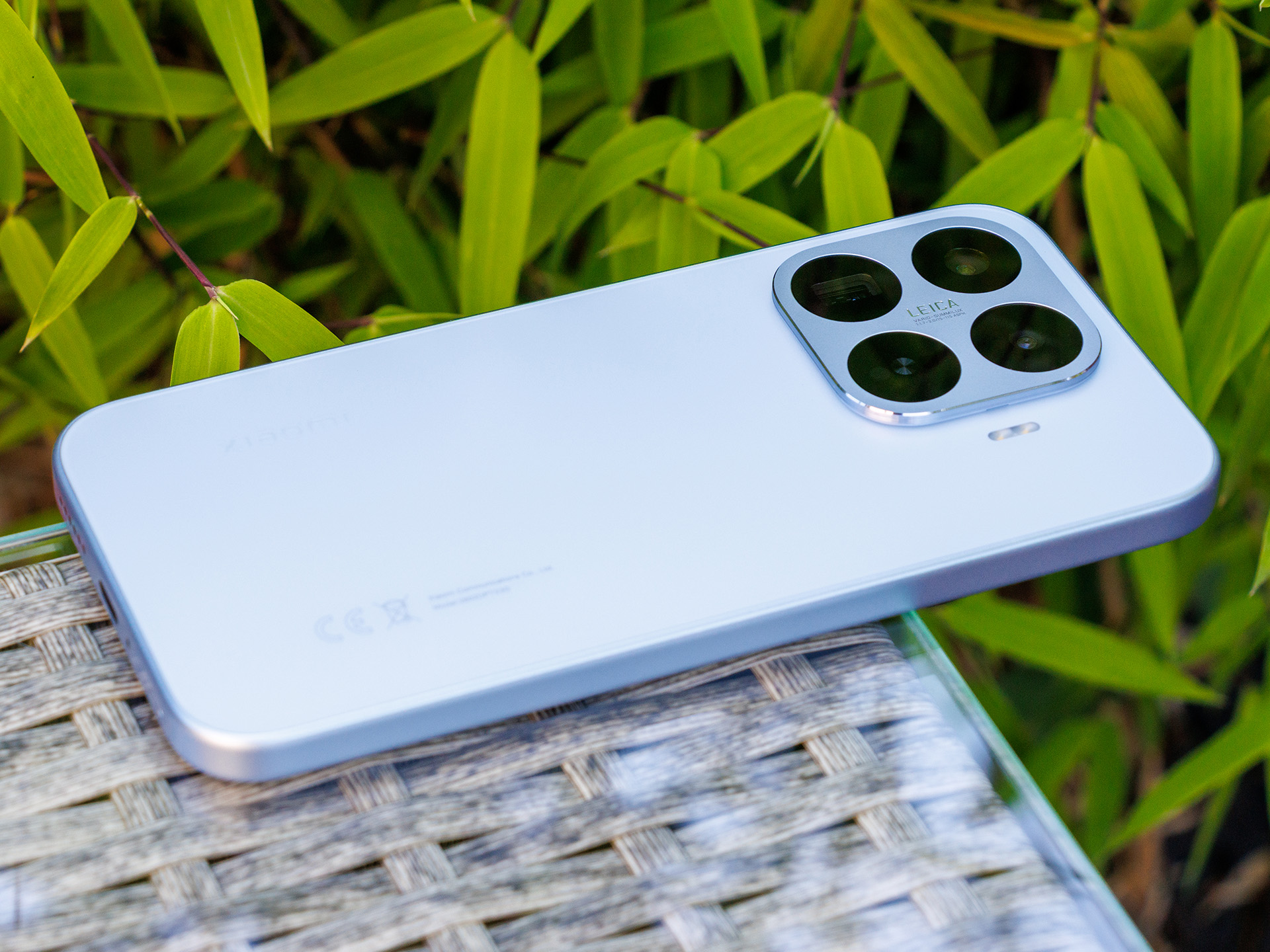
El Xiaomi 17T obtiene una buena puntuación global de alrededor del 80%, posicionándose como un teléfono de gama media premium convincente. Cuenta con una pantalla de 6,59 pulgadas a 120 Hz, un chipset MediaTek Dimensity 8500, 12 GB de RAM, 512 GB de almacenamiento y una gran batería de 6.500 mAh. Los críticos alaban constantemente su brillante pantalla, la fiable duración de la batería y el sistema de cámara ajustado por Leica. La cámara 5x teleobjetivo es su mayor diferenciador, dándole una ventaja fotográfica sobre muchos rivales de precio similar. El rendimiento es sólido para el uso diario y los juegos, aunque no llega a la altura de los competidores más fuertes de su clase. Sus principales puntos débiles son el desorden de HyperOS, la ausencia de carga inalámbrica, el rendimiento limitado del zoom en condiciones de iluminación difíciles y algunos compromisos de usabilidad.
Especificaciones de Portátil(es)
Cámara secundaria: 32 MPix (f/2.2, 21 mm, 1/3.42", 4K@30fps)
Price comparison
Promedio de 34 puntuaciones (de 78 análisis)
Análisis para el Xiaomi 17T
El nuevo smartphone de gama media de Xiaomi combina un diseño moderno con cámaras con tecnología Leica y un SoC rápido que ofrece un gran rendimiento. Gracias a una considerable bajada de precio, este teléfono Android ofrece ahora una excelente relación calidad-precio en relación con las prestaciones que ofrece. Si las prestaciones premium no son una prioridad, el Xiaomi 17T podría ser una de las mejores opciones para los compradores que buscan un dispositivo asequible.
Origen: 91mobiles
 EN→ES
EN→ESOverall, both smartphones offer capable and versatile camera systems, but they cater to different photography styles. The Xiaomi 17T stands out with sharper image processing, a more capable 5x telephoto camera, and vibrant colours that make photos look striking straight out of the camera. It also has the edge for video recording, delivering more stable footage and better quality when zooming in, making it a better option for users who frequently shoot videos or like sharing content on social media with minimal editing.
Comparación, disponible online, corto, Fecha: 07/12/2026
Origen: Stuff Magazine
EN→ESThe Xiaomi 17T does nearly everything right. Nearly everything. That AMOLED display is stunning, the battery life is excellent, and the camera line-up will keep everyone but the pickiest photographers happy. There’s enough performance to make the benchmark figures largely irrelevant. Day to day, it’s a pleasure to use.
Único Análisis, disponible online, corto, Fecha: 06/30/2026
Puntuación: Puntuación total: 81% precio: 60% rendimiento: 85% pantalla: 90% movilidad: 90% procesamiento: 80%
Origen: Chrome Unboxed
EN→ESThe Xiaomi 17T isn’t trying to become the most ambitious phone in the flagship category. Instead, it feels designed around a simpler goal of being enjoyable to use every single day. It combines a comfortable design, an excellent display, dependable performance, capable cameras, and software that feels refined.
Único Análisis, disponible online, Muy corto, Fecha: 06/29/2026
Puntuación: Puntuación total: 80%
Origen: Mezha EN
EN→ESThe Xiaomi 17T series this year has come close to the company's flagships. Both models have high-quality displays, productive processors, excellent cameras, of which the periscopic telephoto is worth highlighting, long battery life, fast charging, stylish design and IP68 protection. But the smartphones have also come close to the flagships in terms of price, which is already less pleasing.
Comparación, disponible online, largo, Fecha: 06/26/2026
Puntuación: Puntuación total: 80%
Origen: Gear Diary
EN→ESThe Xiaomi 17T pairs a gorgeous AMOLED screen with Leica-powered cameras that make point-and-shoot photography feel effortless, even in less expert hands. It is not officially sold for U.S. carriers, so network compatibility is something you need to understand before importing one.
Único Análisis, disponible online, Mediano, Fecha: 06/22/2026
Puntuación: Puntuación total: 86%
Origen: NDTV Gadgets
EN→ESWhen Xiaomi brought the T-series back to India earlier this month, it did so with a point to prove. The segment has become increasingly crowded with fast, feature-packed phones that are, frankly, similar. The Xiaomi 17T, fortunately, manages to stand courtesy of its Leica-tuned cameras, particularly the exceptional 5x telephoto lens, which delivers an imaging experience that few competitors can match.
Único Análisis, disponible online, Mediano, Fecha: 06/18/2026
Puntuación: Puntuación total: 80% precio: 90% rendimiento: 80% pantalla: 90% movilidad: 80% procesamiento: 80%
Origen: Tech Girl
EN→ESThe Xiaomi 17T brings a lot of positives to the table, with its simple design, vivid display, a well-tuned camera array, good performance and an all-day battery life to round up the experience. I would even give it a pass for the pricing, especially after seeing the rising price of smartphones in the current market. However, what I can't ignore is the software.
Único Análisis, disponible online, Mediano, Fecha: 06/16/2026
Puntuación: Puntuación total: 80%
Origen: 91mobiles
EN→ESPriced identically at Rs 59,999 for the base variant, the Xiaomi 17T and Vivo X200T both cater to different priorities despite their camera-focused approach. The Xiaomi 17T stands out with its stylish design, versatile 5x telephoto camera, sharper portraits, richer stereo speakers, and better thermal management under sustained workloads. The handset also offers a cleaner camera experience and stronger ecosystem integration through HyperOS.
Comparación, disponible online, Mediano, Fecha: 06/15/2026
Origen: Tech Guru Daily
EN→ESThe Xiaomi 17T smartphone has a style all its own that’s backed with an impressive suite of features and an excellent camera system. It is a value proposition for customers looking for flagship performance at a more affordable price.
Único Análisis, disponible online, corto, Fecha: 06/15/2026
Puntuación: Puntuación total: 90%
Origen: Business Standard
EN→ESThe Xiaomi 17T is a well-rounded smartphone that focuses on delivering strong fundamentals. The display is sharp and smooth, battery life is excellent, performance is consistently reliable, and the Leica-tuned camera system produces engaging images with plenty of character. However, the phone is not without compromises.
Único Análisis, disponible online, corto, Fecha: 06/10/2026
Origen: 91mobiles
EN→ESThe Xiaomi 17T’s rivals, such as the Vivo X200T (review) and Motorola Signature (review), may have a few advantages of their own, including better performance and faster charging speeds. They also offer more versatile camera systems and sharper displays. Nevertheless, the Xiaomi smartphone manages to carve out a niche for itself with its reliable performance, well-optimised battery life, and flagship-grade Leica camera setup that, in some areas, even surpasses more expensive smartphones. The 17T features a 50MP periscope telephoto camera with 5x optical zoom, enabling it to capture distant subjects with impressive detail and clarity. This makes the smartphone a reliable companion for photography enthusiasts and content creators, especially at its price point.
Único Análisis, disponible online, Muy corto, Fecha: 06/09/2026
Origen: Gadgetbyte Nepal
EN→ESOverall, I think a great premium midrange phone needs to have five strong pillars: design and build, display experience, performance and software, camera, and battery life. And honestly, the Xiaomi 17T scores either an A or A-minus in almost all of these areas. The design is comfortable, the display is excellent, performance is the best in its class, battery life is strong, and the Leica-tuned camera system and the 5x telephoto camera gives this phone a clear edge over the competition. So, under one lakh in Nepal, I think the Xiaomi 17T might just be the best value-for-money phone to buy right now.
Único Análisis, disponible online, largo, Fecha: 06/08/2026
Puntuación: Puntuación total: 84% rendimiento: 85% pantalla: 90% movilidad: 90% procesamiento: 85%
Origen: Tech Nave
EN→ESStill looking for a daily phone that perfectly balances high-quality photography, reliable performance, and ultra-long battery life? The answer is often a high-end flagship device that's just a bit out of your budget, but that's not always the case. The recently launched Xiaomi 17T series in Malaysia can absolutely meet all those needs. If you're a budget-conscious person looking for a flagship phone with incredible bang for buck, the Xiaomi 17T and Xiaomi 17T Pro could be for you.
Comparación, disponible online, corto, Fecha: 06/08/2026
Origen: GSM Arena
Xiaomi's T-series continues to be a battleground for premium performance at a competitive price, but the gap between the standard and Pro models is wider than ever. Is the Pro model worth the extra cash, or does the more compact standard 17T offer the better overall value?
Comparación, disponible online, Mediano, Fecha: 06/05/2026
Origen: Tech Advisor
EN→ESThe Xiaomi 17T is an excellent upper mid-range phone with cameras that punch above their weight. Especially if you’re into making videos, I don’t think you’re likely to find a better-equipped phone in this price bracket. The rest of the phone is solid, too. Opting for the older Pro will give you a better main camera, wireless charging, an aluminium frame, and a faster processor. Plus, you still get that excellent 5x telephoto. The downside is that the battery is smaller and the phone is bigger – but that could be a worthy trade-off. The 15T Pro won’t stick around forever, though.
Único Análisis, disponible online, largo, Fecha: 06/05/2026
Puntuación: Puntuación total: 80%
Origen: Digit.in
EN→ESThe Xiaomi 17T arrives at a time when the gap between premium smartphones and true flagships is becoming increasingly difficult to define. At Rs 60,000, it doesn’t try to be the fastest phone in its segment. Instead, Xiaomi has built a device that focuses on delivering a well-rounded flagship-like experience with a particular emphasis on photography. The Leica-tuned camera system remains the biggest highlight. The primary camera consistently delivers detailed and visually pleasing images, while features such as Leica colour profiles, strong HDR processing and capable portrait modes help the phone stand apart from many rivals in this price range. The display is another strong point, offering excellent brightness, vibrant colours and support for every major HDR standard, making it equally enjoyable for content consumption and content creation. Performance, meanwhile, is dependable rather than class-leading.
Único Análisis, disponible online, Mediano, Fecha: 06/04/2026
Puntuación: Puntuación total: 56% rendimiento: 32% pantalla: 66% movilidad: 71%
Origen: Exhibit.tech
EN→ESThe Xiaomi 17T captures the essence of the “T” series by offering premium features, especially its impressive Leica-tuned cameras, at an accessible price point. With a sleek design, solid performance from the Dimensity 8500 Ultra, long-lasting battery, and a versatile imaging system, it serves as a reliable daily driver. Key strengths include a standout 5x telephoto zoom, all-day battery life, and a smooth software experience, while drawbacks like slight warming during gaming, removable bloatware, and lack of wireless charging are minor. For photography enthusiasts wanting Leica’s aesthetic without flagship prices, the Xiaomi 17T is an excellent choice that stands out in the mid-range market, making it highly recommended for those seeking flagship camera quality on a budget.
Único Análisis, disponible online, Muy corto, Fecha: 06/04/2026
Puntuación: Puntuación total: 88% rendimiento: 90% movilidad: 90% procesamiento: 80%
Origen: NDTV Gadgets
EN→ESBased on our initial impressions, the Xiaomi 17T is a device that attempts to bring flagship-inspired photography to a more accessible price point. It also aims to fill the void that has developed between the company's upper-mid-range and flagship offerings. The Leica-tuned camera system is the highlight, and the dedicated 5x telephoto camera could be the biggest differentiator in a fiercely competitive segment that Xiaomi is stepping into. The Vivo X200T, with its excellent Zeiss-backed imaging system, has already set a high benchmark for camera performance in this price range.
Único Análisis, disponible online, Muy corto, Fecha: 06/04/2026
Origen: India Today
EN→ESThe Xiaomi 17T doesn't rely on a single feature to justify its existence. Instead, it offers a well-rounded experience across the board. It is what sets it apart from most other similarly priced smartphones. The biggest surprise for me was the camera system. While there are areas where flagship phones can pull ahead, particularly in extreme zoom scenarios and moving subjects, the overall image quality is impressive for the price. Portrait shots are among the phone's strongest highlights, and the daylight camera performance is good enough to keep most photography enthusiasts satisfied. The rest of the package is equally solid. The AMOLED display is vibrant and enjoyable for content consumption, the Dimensity 8500-Ultra delivers reliable performance for both productivity and gaming, and the large 6,500mAh battery comfortably lasts a full day.
Único Análisis, disponible online, Mediano, Fecha: 06/04/2026
Puntuación: Puntuación total: 80%
Origen: 91mobiles
EN→ESThe Xiaomi 17T may not be the best sub-flagship on the market, but its starting price of Rs 59,999 makes it one of the most compelling options in its segment. The standout 5x telephoto camera brings a level of versatility rarely seen at this price point, complemented by a sharp AMOLED display, dependable battery life, and a reliable chipset that remains stable even under sustained workloads. Having said that, the phone isn’t without shortcomings. The bundled 67W charging feels relatively slow for a device with a 6,500mAh battery, while the MediaTek Dimensity 8500 Ultra falls short of the performance offered by some competing sub-flagships.
Único Análisis, disponible online, largo, Fecha: 06/04/2026
Puntuación: Puntuación total: 85% rendimiento: 86% pantalla: 85% movilidad: 87% procesamiento: 84%
Origen: GSM Arena
The Xiaomi 17T makes a strong play for the upper-midrange market, boasting a brilliant 120Hz OLED display and a stellar new 5x telephoto camera. While its large 6,500mAh battery delivers excellent endurance, the device is held back by slower 67W charging and a plastic frame that compromises its premium price tag.
Único Análisis, disponible online, Mediano, Fecha: 06/04/2026
Origen: Mobygyaan
EN→ESXiaomi 17T is easily one of Xiaomi’s strongest camera smartphone releases in recent years and is built around a very clear objective: delivering a true photography-focused flagship experience without compromising the fundamentals that users expect from a premium smartphone. While many devices in this segment attempt to be all-rounders, Xiaomi has chosen to differentiate the 17T through its Leica imaging system, particularly the dedicated 5x periscope telephoto camera, while still backing it with flagship-level performance, a premium display, strong battery life, and long-term software support.
Único Análisis, disponible online, Muy largo, Fecha: 06/04/2026
Origen: OI Spice Tech News
EN→ESThe Xiaomi 17T is designed for users who want a premium experience without breaking the bank. Launched in late May 2026, this model packs a punch with its 6.59-inch AMOLED display, which is incredibly bright at up to 3,500 nits and features a smooth 120Hz refresh rate perfect for scrolling and gaming. Under the hood, you will find the MediaTek Dimensity 8500 Ultra chipset, paired with 12GB of RAM and either 256GB or 512GB of speedy UFS 4.1 storage. Battery life is a major highlight here, thanks to a large 6,500 mAh silicon-carbon battery that supports 67W wired charging and even 22.5W reverse wired charging to top up your earbuds or a friend’s phone. It is also IP68 rated, meaning it can survive a dip in the pool or a dusty trail. The overall build uses a plastic frame and Gorilla Glass 7i, keeping the weight down to a comfortable 200 grams.
Comparación, disponible online, Muy corto, Fecha: 06/02/2026
Origen: Techradar
EN→ESThe Xiaomi 17T is an interesting proposition. It may look fairly plain and uninspiring, but beneath the surface lurks a powerful chipset, making it capable of high-end tasking and even gaming. What’s more, HyperOS is an exemplary Android fork, thanks to its ease of use and slick operation. The cameras are fairly impressive, too, if not the best around. At this price, though, such drawbacks are easier to swallow, making the 17T a good value Android phone.
Único Análisis, disponible online, Mediano, Fecha: 06/02/2026
Puntuación: Puntuación total: 80% rendimiento: 90% pantalla: 80% movilidad: 80% procesamiento: 70%
Origen: Speed Magazine
EN→ESAt P33,999 for the 12GB+256GB variant and P37,999 for the 12GB+512GB variant, the Xiaomi 17T makes a strong case for itself as a well-rounded mid-to-upper tier device that doesn’t feel like a compromise. It brings together Leica-powered cameras, a smooth AMOLED display, solid performance, and excellent battery life in a package that feels more premium than its price suggests.
Único Análisis, disponible online, corto, Fecha: 06/02/2026
Origen: Tech Spurt
Reviewing the Xiaomi 17T vs the 17T Pro, to see which T-Series smartphone is best for camera fans, gamers and more demanding users. I've tested the Xiaomi 17T and the Xiaomi 17T Pro as my full-time phone, so here's how they compare. Check out my full review of that Pro model for more on that almighty powerhouse.
Comparación, disponible online, Muy largo, Fecha: 05/30/2026
Origen: Android Headlines
EN→ESXiaomi once again managed to bring to life two very compelling upper-mid-range, almost flagship smartphones. In fact, the ‘Pro’ model can even be considered a high-end offering from the company. Both of them have really good performance, excellent displays, great battery life, and capable cameras. We’re glad to see that Xiaomi went with telemacro shooters here, and Leica lenses are always good to see. Yes, both of these phones are inferior to the Xiaomi 17 series, but the ‘Pro’ model in particular is not far behind. If they are within your budget, they’re definitely worth considering.
Comparación, disponible online, Muy largo, Fecha: 05/29/2026
Origen: Expert Reviews
EN→ESThe overarching theme here is that the Xiaomi 17T shares a great deal of features with its Pro sibling. So many, in fact, that my recommendation is firmly to forgo the Pro and save some cash with the standard model. You still get brilliant battery life, a pixel-perfect display, and that fantastic 5x telephoto camera – plus the rest of the cameras are great, too. More to the point, the issues that plague the Xiaomi 17T are, for the most part, flaws of the Pro model, too: the software is fussy, but universal across Xiaomi phones; the 17T Pro uses the same fiberglass on the rear (albeit with an aluminium frame) and, as is the case across the smartphone spectrum this year, prices have increased. So of the two, the Xiaomi 17T is firmly my favourite. As for how it compares to the rest of the competition? Well, that 5x telephoto camera is doing a lot of heavy lifting, but it is a unique feature that the chief players in this price range can’t match. If you favour photography above all else, the Xiaomi 17T is well worth your consideration.
Único Análisis, disponible online, Mediano, Fecha: 05/28/2026
Puntuación: Puntuación total: 80%
Origen: TechTablets
Comparación, disponible online, Muy largo, Fecha: 05/28/2026
Origen: Trusted Reviews
EN→ESThe Xiaomi 17T provides more of a meaningful upgrade over its predecessor, with an improved camera array, stronger battery life and more stylish colour choices. Against key rivals, performance feels a little lacking, though, and I’m still not sold fully on HyperOS. The performance here is more in line with traditional mid-range handsets, such as the Nothing 4a Pro and the Google Pixel 10a, although it is somewhat above the Honor 600 in some respects. I think the other choices have a better skin of Android with less clutter, which makes a real difference. With this in mind, there’s a lot to like here that makes this the best T-suffixed non-Pro phone from Xiaomi yet – I’m just not sure it’s as much of a flagship killer as they may tout it to be. For more options, though, check out our list of the best phones we’ve tested.
Único Análisis, disponible online, Mediano, Fecha: 05/28/2026
Puntuación: Puntuación total: 80%
Origen: Hitech Century
EN→ESThe Xiaomi 17T is a compact near-flagship phone with a vibrant display, solid performance, good battery life and potent Leica-tuned cameras with improved 5X telephoto zoom capabilities
Único Análisis, disponible online, Muy largo, Fecha: 05/28/2026
Puntuación: Puntuación total: 80% precio: 80% rendimiento: 80% pantalla: 80% movilidad: 70%
Origen: Lowyat.net
EN→ESThe Xiaomi 17T is certainly an impressive device for its price. While the camera system is undoubtedly the star of the show, its solid performance and slim form factor also make it a great all-rounder.
Único Análisis, disponible online, corto, Fecha: 05/28/2026
Origen: Canbuyornot
EN→ESI do wish Xiaomi had improved on the placement of the fingerprint sensor from the Xiaomi 15T Pro. It's still located too low at the bottom of the screen, which can be awkward to reach. And while the 17T has an Always-On Display, you can't actually leave it permanently on so it's not really always on, I guess. The 17 Pro can be configured to do so, but it doesn't appear to be an LTPO display that can drop down to 1Hz to conserve power, so Xiaomi doesn't enable it by default to save power.
Comparación, disponible online, Muy corto, Fecha: 05/28/2026
Puntuación: Puntuación total: 80%
Origen: GSM Arena
EN→ESThe Xiaomi 17T is a very easy phone to like. It gets a lot of the fundamentals right and then throws in a few genuinely standout features on top. The display is excellent, battery life is superb, and the camera setup is arguably among the best in this particular class, especially when it comes to zoom photography. The upgraded 5x telephoto camera alone gives the 17T a noticeable edge over many similarly-priced rivals and even makes it feel surprisingly close to its Pro sibling in actual day-to-day camera use. Performance is solid, too. The Dimensity 8500 Ultra might not be a true flagship-tier chipset, but it is more than powerful enough for everyday use and gaming alike.
Único Análisis, disponible online, Muy largo, Fecha: 05/28/2026
Puntuación: Puntuación total: 84%
Origen: O2
 DE→ES
DE→ESComparación, disponible online, Muy corto, Fecha: 09/02/2026
Origen: Heise
DE→ESÚnico Análisis, disponible online, Muy corto, Fecha: 07/28/2026
Puntuación: Puntuación total: 90%
Origen: ChinaMobileMag
DE→ESÚnico Análisis, disponible online, Muy largo, Fecha: 07/08/2026
Origen: Gamestar
DE→ESÚnico Análisis, disponible online, Mediano, Fecha: 06/20/2026
Puntuación: Puntuación total: 80%
Origen: Smartzone
DE→ESÚnico Análisis, disponible online, Mediano, Fecha: 06/17/2026
Puntuación: Puntuación total: 89% rendimiento: 85% pantalla: 90% movilidad: 90% procesamiento: 90%
Origen: PC Welt
DE→ESÚnico Análisis, disponible online, largo, Fecha: 06/12/2026
Puntuación: Puntuación total: 80%
Origen: Chip.de
DE→ESÚnico Análisis, disponible online, Muy corto, Fecha: 06/04/2026
Puntuación: Puntuación total: 95% precio: 80% rendimiento: 92% pantalla: 99% movilidad: 95%
Origen: Computerbild
DE→ESÚnico Análisis, disponible online, Mediano, Fecha: 05/30/2026
Puntuación: Puntuación total: 95%
Origen: O2
DE→ESComparación, disponible online, Muy corto, Fecha: 05/29/2026
Origen: Chip.de
DE→ESÚnico Análisis, disponible online, corto, Fecha: 05/28/2026
Puntuación: Puntuación total: 95% precio: 74% rendimiento: 92% pantalla: 99% movilidad: 95%
Origen: O2
DE→ESComparación, disponible online, Muy corto, Fecha: 05/28/2026
Origen: Mais Tecnologia
 PT→ES
PT→ESÚnico Análisis, disponible online, corto, Fecha: 05/29/2026
Origen: Ceotech
 IT→ES
IT→ESÚnico Análisis, disponible online, corto, Fecha: 07/26/2026
Origen: Igizmo
IT→ESÚnico Análisis, disponible online, Mediano, Fecha: 06/15/2026
Origen: Wired IT
IT→ESÚnico Análisis, disponible online, corto, Fecha: 06/13/2026
Puntuación: Puntuación total: 80%
Origen: HDblog.it
IT→ESComparación, disponible online, largo, Fecha: 05/28/2026
Puntuación: precio: 36% características: 84%
Origen: Mister Gadget
IT→ESComparación, disponible online, corto, Fecha: 05/28/2026
Origen: Mister Gadget
IT→ESComparación, disponible online, corto, Fecha: 05/28/2026
Origen: AndroidWorld.nl
 NL→ES
NL→ESÚnico Análisis, disponible online, corto, Fecha: 08/04/2026
Puntuación: Puntuación total: 76%
Origen: Frandroid
 FR→ES
FR→ESÚnico Análisis, disponible online, largo, Fecha: 06/21/2026
Puntuación: Puntuación total: 80% rendimiento: 70% pantalla: 80% movilidad: 70% procesamiento: 80%
Origen: L' Eclaireur FNAC
FR→ESÚnico Análisis, disponible online, Muy corto, Fecha: 06/18/2026
Puntuación: Puntuación total: 100% rendimiento: 100% pantalla: 80% movilidad: 100%
Origen: Les Numeriques
FR→ESÚnico Análisis, disponible online, largo, Fecha: 05/28/2026
Puntuación: Puntuación total: 80% rendimiento: 80% pantalla: 90% movilidad: 70% procesamiento: 80% ergonomía: 80%
Origen: Co Nowego
 PL→ES
PL→ESÚnico Análisis, disponible online, corto, Fecha: 08/14/2026
Origen: Orange PL
PL→ESÚnico Análisis, disponible online, corto, Fecha: 07/08/2026
Origen: GSM Maniak
PL→ESÚnico Análisis, disponible online, corto, Fecha: 06/23/2026
Puntuación: Puntuación total: 83% rendimiento: 90% pantalla: 91% movilidad: 95%
Origen: Android.com.pl
PL→ESÚnico Análisis, disponible online, corto, Fecha: 06/20/2026
Puntuación: Puntuación total: 78% rendimiento: 70% pantalla: 90% movilidad: 80% procesamiento: 80%
Origen: Instalki
PL→ESÚnico Análisis, disponible online, largo, Fecha: 06/20/2026
Origen: Techno Senior
PL→ESÚnico Análisis, disponible online, Mediano, Fecha: 06/13/2026
Origen: ITC UA
 RU→ES
RU→ESÚnico Análisis, disponible online, corto, Fecha: 06/15/2026
Origen: MobilArena HU
 HU→ES
HU→ESÚnico Análisis, disponible online, Muy largo, Fecha: 05/28/2026
Puntuación: precio: 80% pantalla: 100% movilidad: 90% procesamiento: 85%
Origen: MobilArena HU
HU→ESÚnico Análisis, disponible online, Muy largo, Fecha: 05/28/2026
Puntuación: precio: 80% pantalla: 100% movilidad: 90% procesamiento: 85%
Origen: FPT shop
 VN→ES
VN→ESComparación, disponible online, corto, Fecha: 08/22/2026
Origen: FPT shop
VN→ESÚnico Análisis, disponible online, Mediano, Fecha: 06/26/2026
Origen: The Gioididong
VN→ESÚnico Análisis, disponible online, Mediano, Fecha: 06/21/2026
Origen: Genk
VN→ESComparación, disponible online, Muy corto, Fecha: 06/06/2026
Origen: The Gioididong
VN→ESÚnico Análisis, disponible online, largo, Fecha: 06/05/2026
Origen: VNReview
VN→ESÚnico Análisis, disponible online, Mediano, Fecha: 06/05/2026
Origen: Vat Vo Studio
VN→ESComparación, disponible online, corto, Fecha: 06/04/2026
Origen: Vat Vo Studio
VN→ESÚnico Análisis, disponible online, corto, Fecha: 06/02/2026
Origen: The Gioididong
VN→ESÚnico Análisis, disponible online, Mediano, Fecha: 05/30/2026
Origen: VNReview
VN→ESComparación, disponible online, Muy corto, Fecha: 05/29/2026
Origen: XT Mobile
VN→ESÚnico Análisis, disponible online, Mediano, Fecha: 05/29/2026
Origen: PC Press RS
 HR→ES
HR→ESComparación, disponible online, corto, Fecha: 07/21/2026
Origen: Mobile-com JP
 JA→ES
JA→ESÚnico Análisis, disponible online, Muy largo, Fecha: 06/07/2026
Puntuación: rendimiento: 80% pantalla: 100% movilidad: 80% procesamiento: 100%
Comentario
ARM Mali-G720 MP8:
Estas tarjetas también deben ser capaces de aguantar todos los juegos actuales, pero la mayoría de ellos en configuraciones de detalles medios y bajos y con bajas resoluciones. Juegos más antiguos, o menos exigentes todavía pueden ser jugados con buena calidad de gráficos.
>> Más información puede ser encontrada en nuestra comparación de tarjetas gráficas moviles y la lista de benchmarks.
Dimensity 8500: El MediaTek Dimensity 8500 funciona con ocho núcleos ARM Cortex-A725 basados en un "diseño all-big-core" que se basa por completo en núcleos de rendimiento. Un núcleo ARM Cortex-A725 funciona a 3,4 GHz, otros tres a 3,2 GHz, mientras que los cuatro núcleos restantes sirven como núcleos de rendimiento de bajo consumo y funcionan hasta a 2,2 GHz.
>> Más información puede ser encontrada en nuestra comparación de procesadores móviles.
Portátiles similares de otros fabricantes y con otro CPU
tamaño de pantalla mismo GPU
Portátiles con el Mismo Tamaño de Pantalla y Peso
 Add as a preferred source on Google


