




Xiaomi Poco Pad X1
Pro
Contra
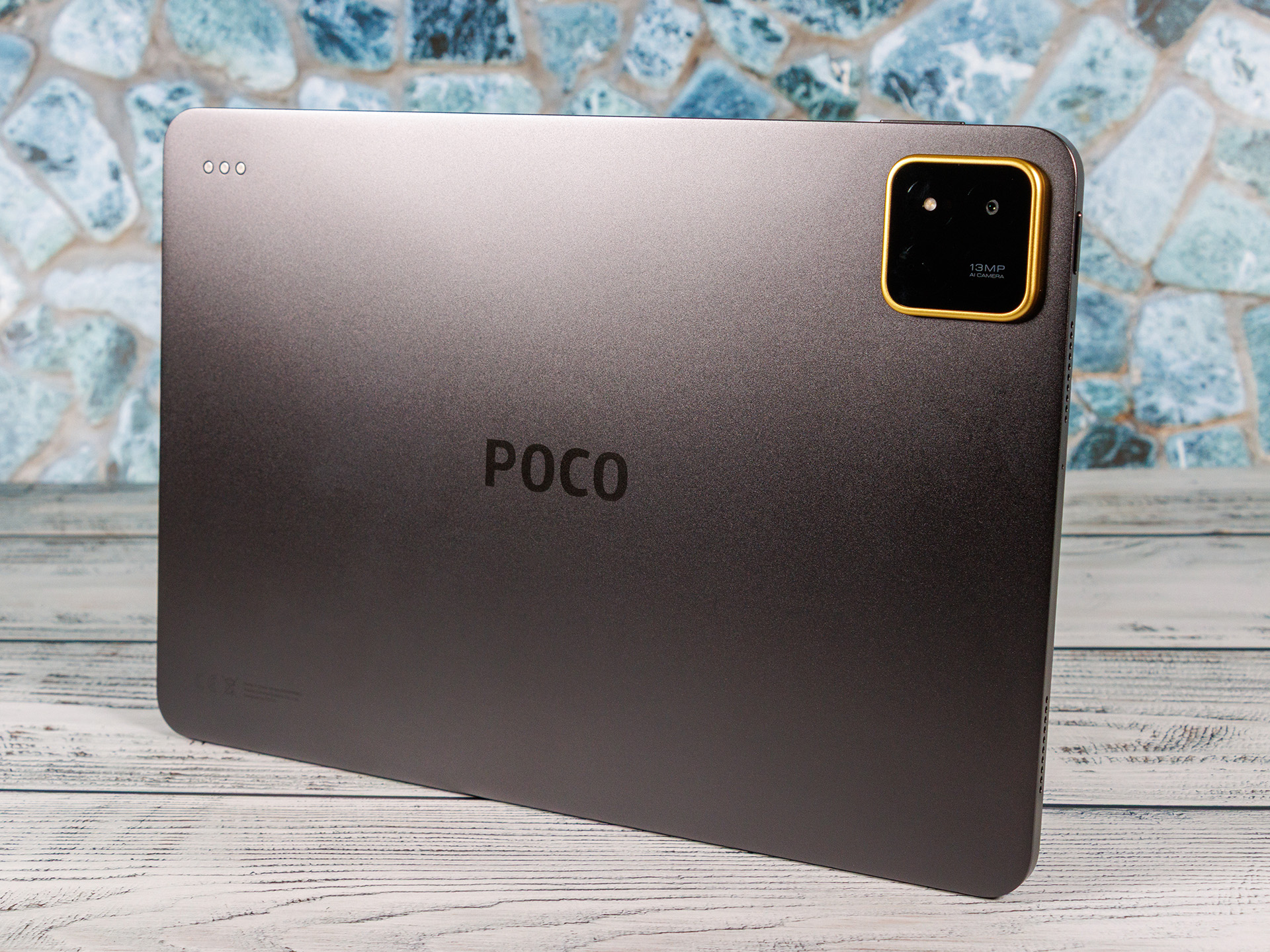
La Xiaomi Poco Pad X1 es una tableta de gama media de 11,2 pulgadas Android impulsada por el Snapdragon 7+ Gen 3, dirigida a usuarios que desean tanto productividad como capacidad para jugar. Las reseñas destacan su brillante y nítida pantalla IPS 3:2 con una resolución de 3200 x 2136 y una frecuencia de actualización de 144 Hz, su sólido rendimiento en multitarea e incluso en juegos exigentes, y la fiable duración de la batería de 8850 mAh. La conectividad y las funciones son modernas, e incluyen Wi-Fi 6, Bluetooth 5.4, NFC, USB-C con Power Delivery y compatibilidad con Dolby Vision/Atmos. Con una valoración global de alrededor del 66%, la tableta se considera competente pero no líder en su clase. Las críticas se centran principalmente en el valor: mientras que la tableta por sí sola tiene un precio razonable de alrededor de 349 dólares (early bird), el teclado flotante opcional y el Focus Pen son costosos, empujando una configuración completa hacia los 700 dólares. A ese precio total, varios críticos sostienen que existen alternativas mejor equilibradas, aunque siguen considerando que la Poco Pad X1 es un potente caballo de batalla y una opción atractiva para estudiantes y usuarios avanzados preocupados por el presupuesto que prescinden de los accesorios o los limitan.
Especificaciones de Portátil(es)
Cámara secundaria: 8 MPix (OV08D10, 1/4", 1.12 µm, f/2.28, 18 mm)
Price comparison
Promedio de 4 puntuaciones (de 8 análisis)
Análisis para el Xiaomi Poco Pad X1
Con la Poco Pad X1, Xiaomi tiene en el punto de mira al clásico iPad, ofreciendo no sólo mejores características sino también un precio más bajo, sin comprometer la calidad. ¿Es esta la tableta perfecta para todos?
Origen: Techradar
 EN→ES
EN→ESThe Poco Pad X1 is a very well-rounded tablet for a very appealing price – though availability seems frustratingly limited. It might be nigh-on identical to the Xiaomi Pad 7, and it's not without annoyances, but it remains a smooth operator with solid performance and an excellent display.
Único Análisis, disponible online, corto, Fecha: 12/18/2025
Puntuación: Puntuación total: 80% precio: 80% rendimiento: 70% pantalla: 100% movilidad: 60% procesamiento: 80%
Origen: Yanko Design
EN→ESThe Poco Pad X1 and Poco Pad M1 end up serving two somewhat different roles. If you prioritize performance, the Poco Pad X1 is the clear choice. The Snapdragon 7+ Gen 3, 3.2K 144 Hz display, 512 GB storage, and excellent Floating Keyboard make it feel like a serious little work and gaming machine, even if the full setup gets expensive and you give up the headphone jack and SD slot. If you care more about big-screen comfort and value, the Poco Pad M1 quietly wins. The 12.1-inch 2.5K screen, quad speakers, 3.5 mm jack, microSD expansion, huge battery, and cheaper accessories make it a better fit for big-screen media and everyday productivity. Whichever way you lean, you are getting more tablet than the price suggests. For context, Apple’s base iPad costs $449 with only 64 GB of storage and a 60 Hz screen.
Comparación, disponible online, largo, Fecha: 12/13/2025
Puntuación: precio: 90% rendimiento: 80% ergonomía: 70%
Origen: Trusted Reviews
EN→ESAll told, I’ve been very pleasantly surprised by the Poco Pad X1. It offers the sort of convenience and capability you’d want from any tablet. And to my mind is one of the best bang-for-buck iPad alternatives on the market. If you want an Android tablet that offers a lot of versatility, so that you can switch between work mode, media consumption, gaming or even casual creativity, you can do it all with this, especially if you go all in on the pencil and keyboard accessories. Sure it could be a little less laggy, have better cameras and sound, but at this price, it’s difficult to fault.
Único Análisis, disponible online, largo, Fecha: 12/03/2025
Puntuación: Puntuación total: 90%
Origen: Yugatech
EN→ESSo, that wraps up our review on the POCO Pad X1. We're glad to say that it's a favorable pickup, with nods to its performance, battery life, and immersive audio. Our gripes with the tablet are pretty minimal, which include the bigger POCO logo change and absence of Circle to Search. Come to think of it, the real bummer here is the tablet stepping away from the 3.5mm port and expandable storage. Still, the pros very much outweigh the cons. The design change is subjective, plus we're optimistic that the Circle to Search function will get resolved sooner than later. The tablet itself runs smoothly on most occasions, comes with great uptime, and provides a well-rounded audio-visual experience. Well, we've made it to the end, but unfortunately, we didn't have the official price of the POCO Pad X1 at the time of writing. For reference, the POCO Pad was priced at PHP 15,999, so readers should expect it to be within this range.
Único Análisis, disponible online, largo, Fecha: 11/30/2025
Origen: Phone Arena
EN→ESThat's a complex question with no easy answer. At $349 (early bird price), the Poco Pad X1 looks like a decent deal. The chipset is snappy, the screen is bright and crisp, and there are a slew of accessories that can transform this tablet into a productivity machine. The bad news is that these accessories cost extra, the Floating Keyboard, albeit awesome, costs $199, and the Focus Pen will set you back another $99. In the end, the whole package ends up pushing $700, and for that amount of money, there are better options out there.
Único Análisis, disponible online, largo, Fecha: 11/28/2025
Puntuación: Puntuación total: 66% rendimiento: 59% pantalla: 60% movilidad: 71% procesamiento: 80%
Origen: Tech Spurt
Reviewing Xiaomi's POCO Pad X1, an upgraded version of their original budget tablet with similar specs to the Redmi Pad 2. Performance has been boosted for gaming and the battery life is great, but is the 11-inch POCO Pad X1 your best affordable Android tablet option? Well, if you want to stay productive on the go (student perhaps?), this is a strong rival vs the Honor Pad V9 and OnePlus Pad Lite. You've got a Snapdragon 7 Gen 3 on board, which can happily cope with multi-tasking and handle games too. Even Wuthering Waves was playable on the Xiaomi POCO Pad X1 in my testing. Battery life is dependable while the IPS screen is sharp and pumps out natural colours. Of course, this isn't one of the best tablets for movies, with that 3:2 aspect ratio. But films still look and sound great (with Dolby Vision and Atmos support).
Único Análisis, disponible online, Muy largo, Fecha: 11/27/2025
Origen: ben's gadget reviews
Poco has two "new" tablets. I put the word new in quote marks because we have seen the hardware before somewhere... Still, even if these are rebranded devices, they're excellent tablets for their price, especially the Poco Pad X1, a flagship level tablet that is a very capable productivity machine.
Único Análisis, disponible online, largo, Fecha: 11/26/2025
Comentario
Qualcomm Adreno 732: La Qualcomm Adreno 732 es una unidad gráfica integrada que se utiliza en el Snapdragon 7+ Gen 3. El rendimiento está ligeramente por encima de la antigua Adreno 730.
Estas tarjetas también deben ser capaces de aguantar todos los juegos actuales, pero la mayoría de ellos en configuraciones de detalles medios y bajos y con bajas resoluciones. Juegos más antiguos, o menos exigentes todavía pueden ser jugados con buena calidad de gráficos.
>> Más información puede ser encontrada en nuestra comparación de tarjetas gráficas moviles y la lista de benchmarks.
SD 7+ Gen 3: SoC de gama media con 8 núcleos Kryo (1 núcleo principal ARM Cortex-X4 a 2,8 GHz, 4 núcleos de rendimiento ARM Cortex A720 a 2,8 GHz, 3 núcleos de rendimiento ARM Cortex A520 a 1,9 GHz) y un módem 5G X63. El chip se fabrica utilizando el moderno proceso de 4 nm.
>> Más información puede ser encontrada en nuestra comparación de procesadores móviles.
Portátiles con el Mismo Tamaño de Pantalla y Peso
Portátiles del mismo fabricante
 Add as a preferred source on Google


